
Three Days at the Rostrum
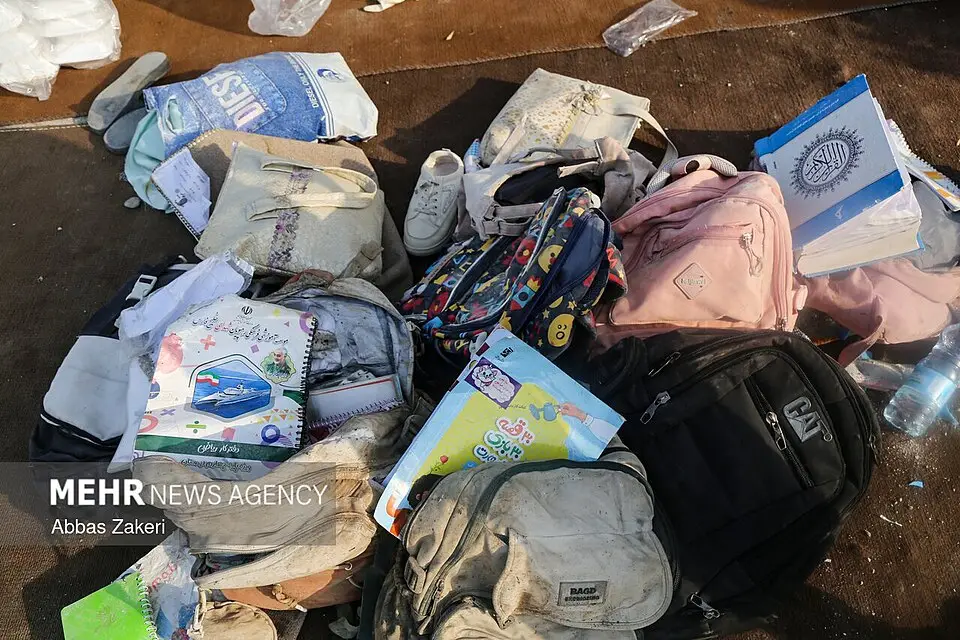
Pezeshkian, Netanyahu and King Abdullah answering Washington at the eighty-first General Assembly, held to a single measure On Tuesday 22 September the President of the United States stood at the rostrum of the General Assembly and put a question to the world. Would there be a deal with Iran, ‘or do I annihilate the Islamic […]
A Verdict Without a Court
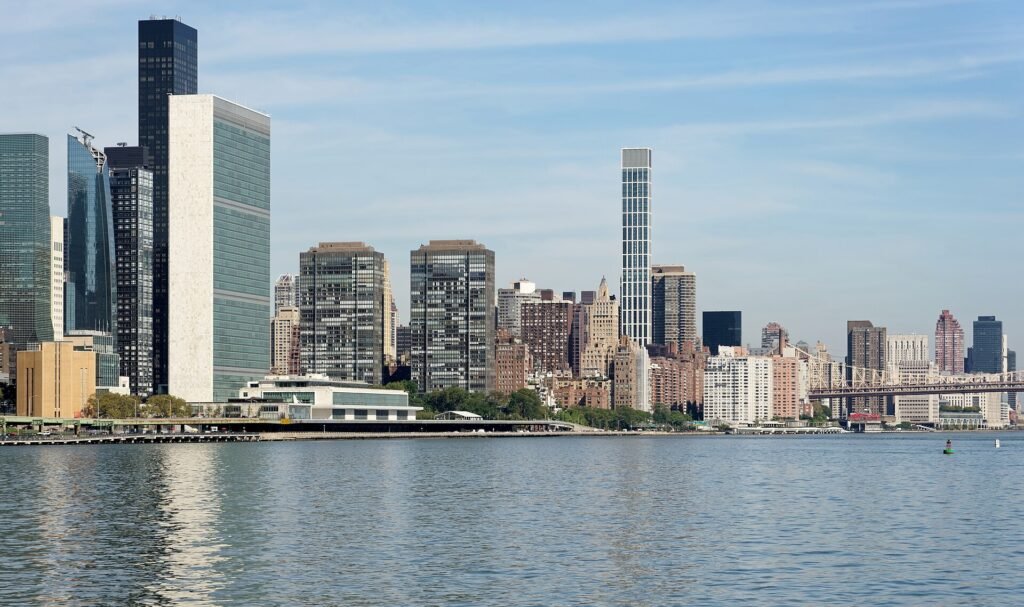
On a call to arrest Iran’s president in New York, and the law it will not apply beyond him On 22 September, as delegations gathered for the General Assembly, Masih Alinejad posted an open challenge to the mayor of New York on her Facebook page. Zohran Mamdani, she wrote, had said that war criminals who […]
If You Are a Solid Rock
On Saturday, 19 September, supporters of the restoration of monarchy held a large gathering at Meridian Hall in Toronto, billed as ‘Cyrus the Great II’, to hear Reza Pahlavi; its organisers had announced a crowd of more than three thousand. The veteran singer Nooshafarin sang Ey Iran and made a terrible mistake in misreading one […]
Calm Down
This morning I sent a friend a short video. No note, no comment, nothing. In it Navīd Wahrāmān, a Pakistani writer, asks whether the Iranian diaspora’s hatred of Islam is justified. Pakistan had Zia-ul-Haq making prayer compulsory in government offices, and Afghanistan has a Taliban he calls less tolerant than the Islamic Republic, and neither […]
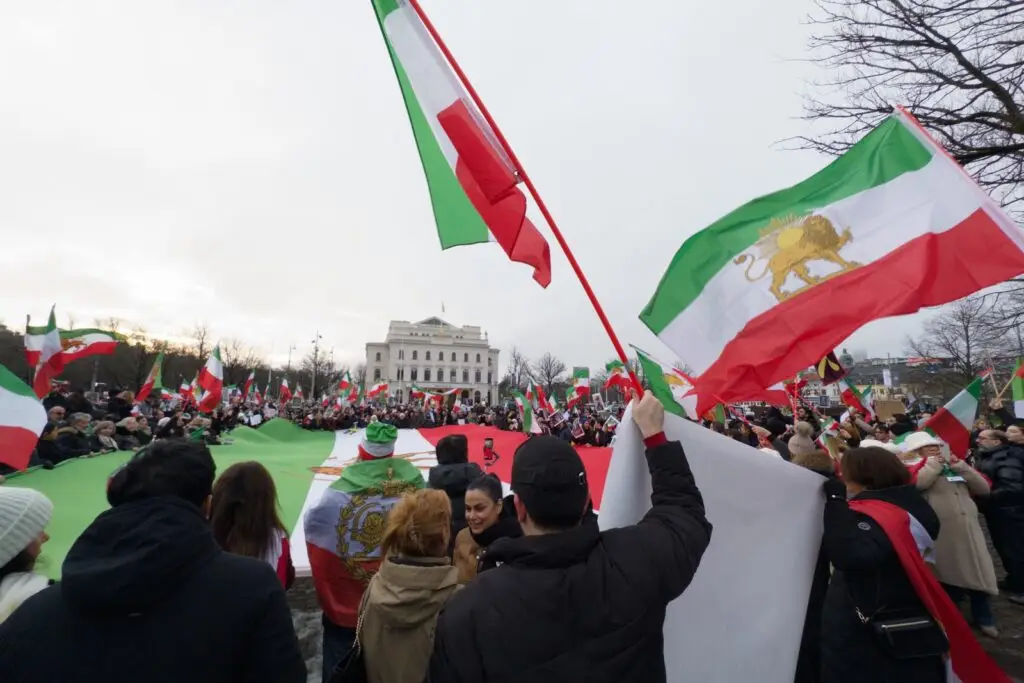
Thirty Days
We use the same platforms. Beyond that we have almost nothing in common, and the difference is not one of opinion. When I write about Iranian politics I am writing from somewhere. I have read the material and taught it for years, and I hold degrees in it. The positions I take are not […]
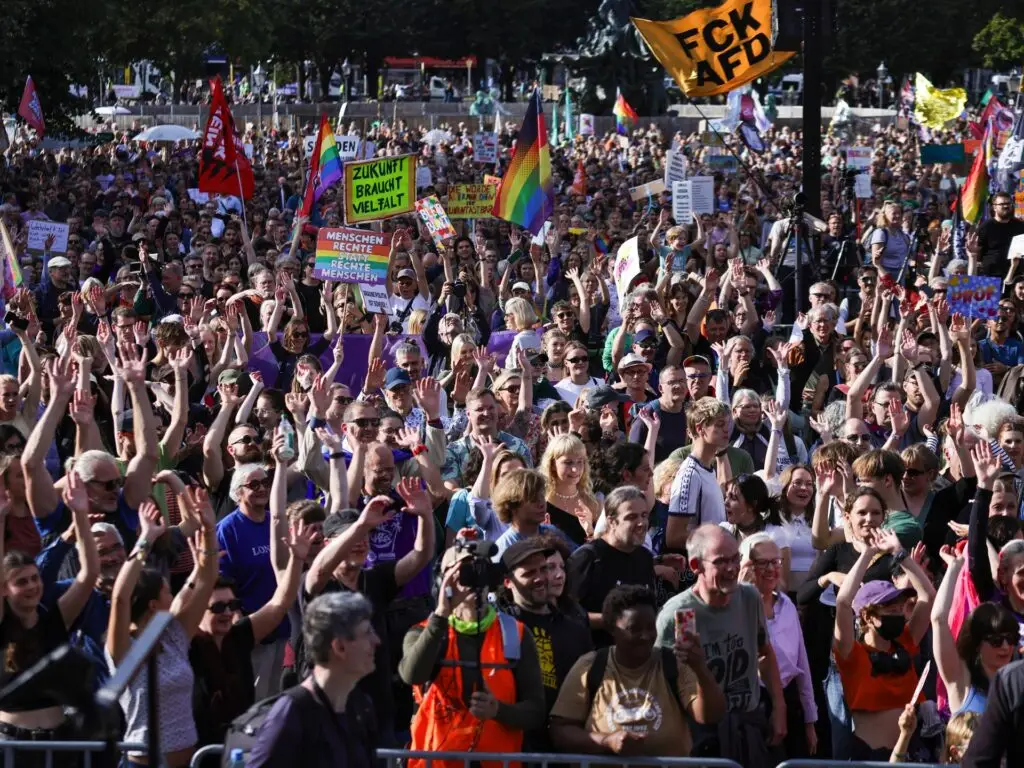
The Widening Circle
Ask an Iranian exile why a mosque in Hamburg should be closed and you may be told about Evin prison. The chain feels unbreakable from the inside. The state that jailed my cousin calls itself Islamic; Islam is therefore the thing that jailed my cousin; anything Islamic anywhere is therefore the enemy. Each step feels […]
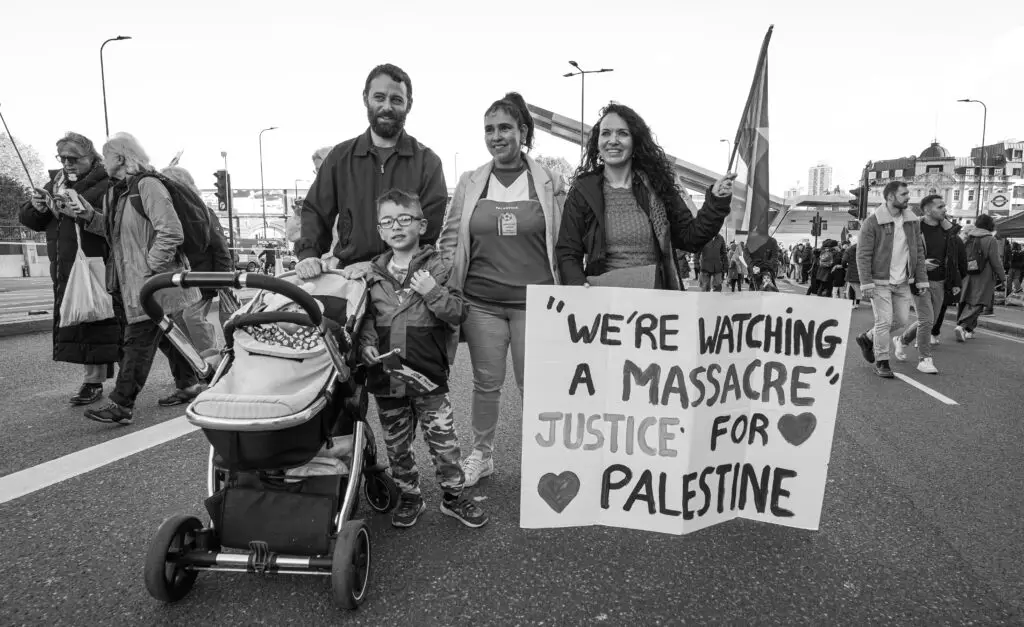
The Word on the Placard
On Assal Rad’s Don’t Say Palestine, the memo that told reporters which words to avoid, and the test the book does not set for itself On 11 November 2023, on the march from Hyde Park to the American embassy, a family stood in the road holding a sheet of card. Someone had written on it […]
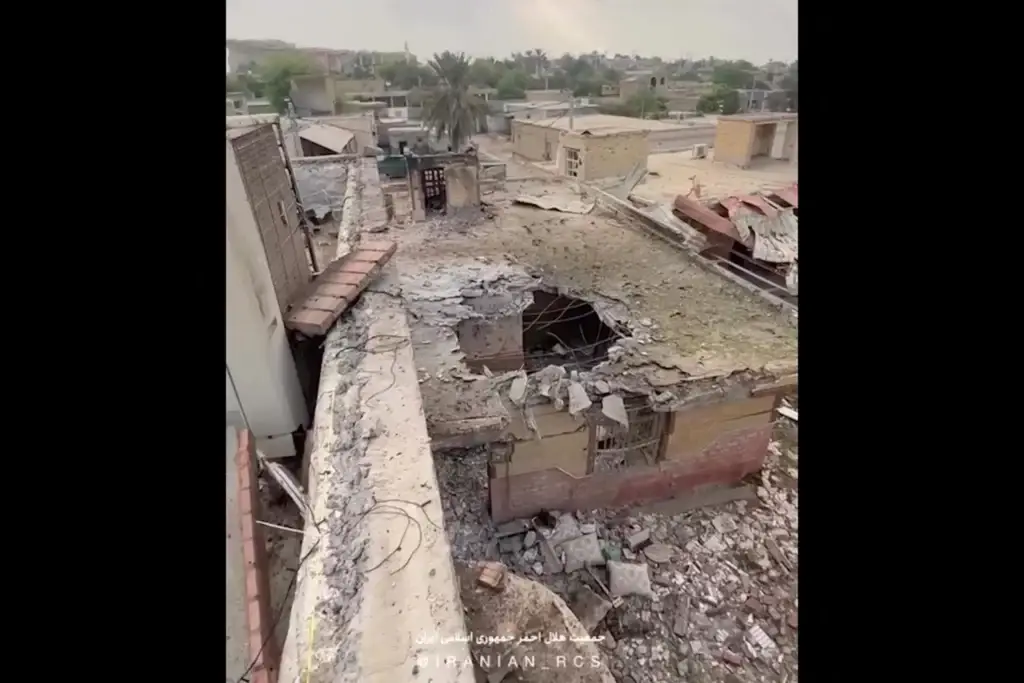
Far From the Mast
On the mast at Kuhestak, the map that put Tehran under a blast radius, and the test Iran International will not take A telecommunications mast stood near the shoreline at Kuhestak, in Sirik county, on the Hormozgan coast. On the evening of 1 September it was struck and came down across the road. A few […]
Borrowed Eyes
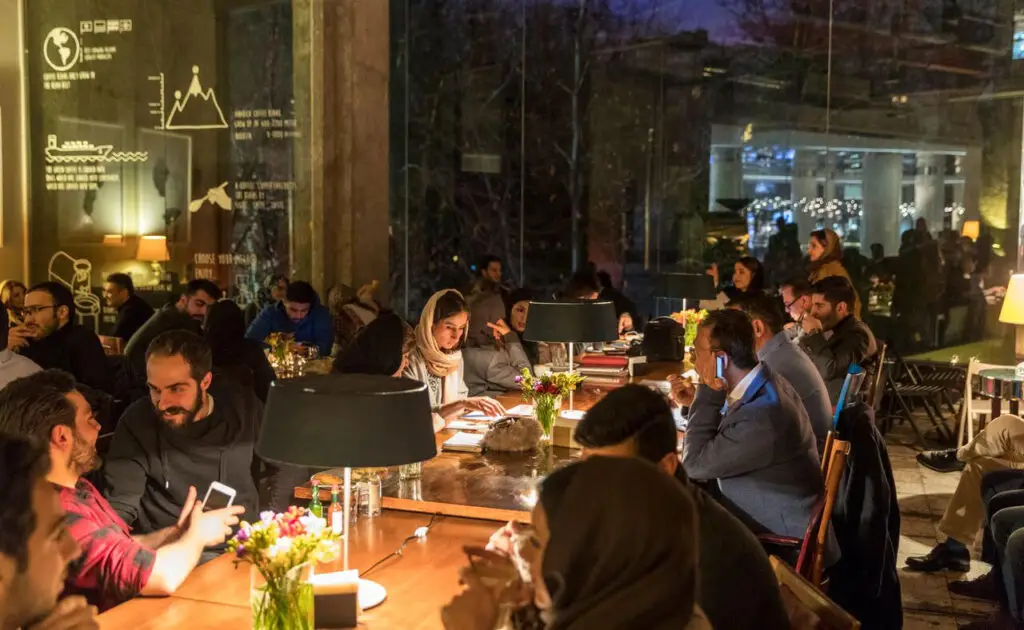
On the two machines that manufacture Iran, the eighteen years that keep me from checking, and what Yaser Mirdamadi found when he went back. Fourth in the Narrating Iran series, drawn from Yaser Mirdamadi’s account of his return and argued by Daryoush Mohammad Poor I write about Iran from a position that is not the […]
No Licence for Slander
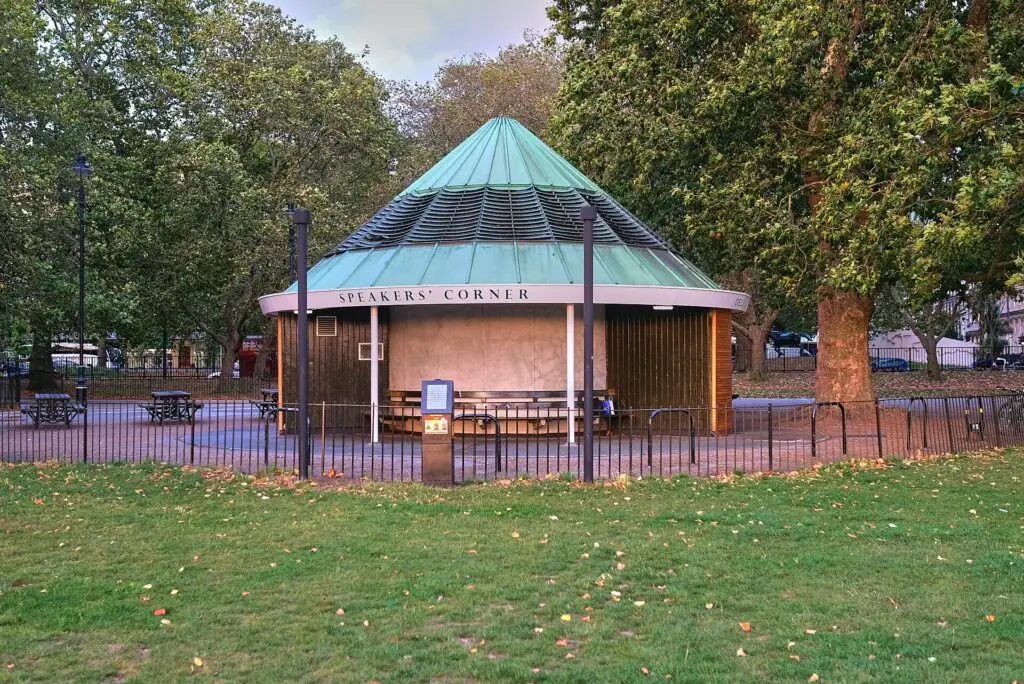
On the difference between criticism and abuse, and what the Iranian diaspora has done with it It sounds like an obvious thing to say, and it is not. Telling criticism apart from cynicism takes training. It takes education. It takes a degree of self-discipline that nobody is born with and few of us are ever […]
A List Is Not a Law
On the hundred names compiled in Tehran, the accusation waiting at the other end of the flight, and the guarantee neither side is offering On Thursday morning Mohsen Namjoo put out a video saying that by the time anyone watched it he would either be in the air or already on the ground in Tehran. […]
Two Kinds of Certainty
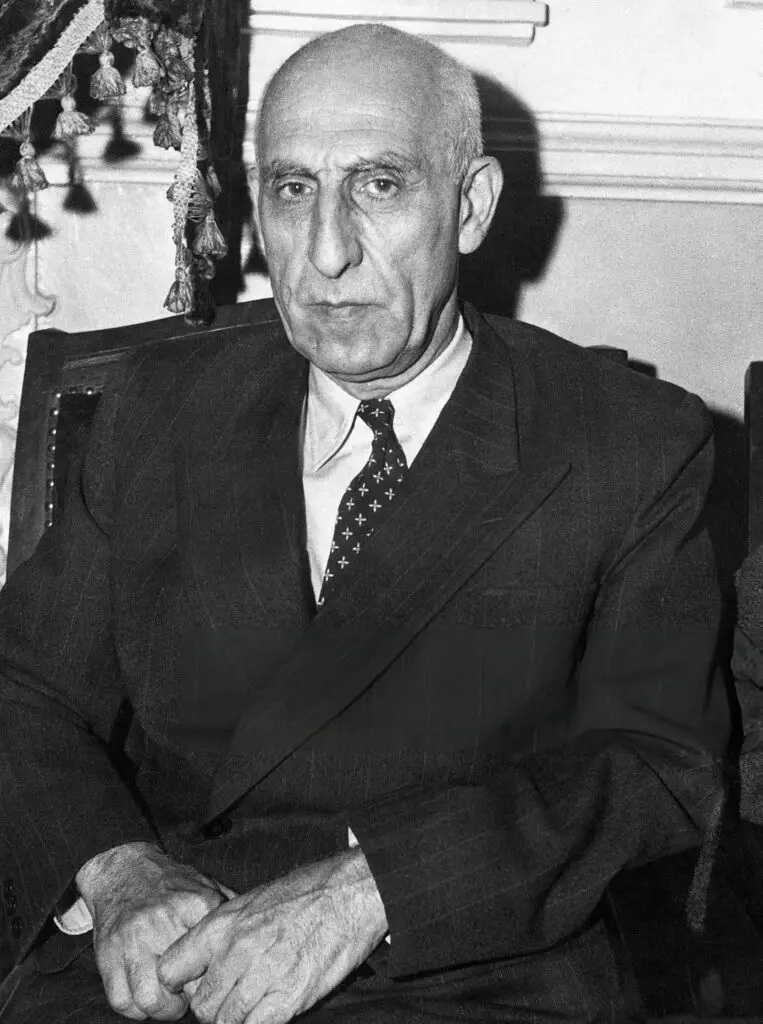
On the seventy-third anniversary of the 1953 coup, a reflection on the arrogance that ended Mohammad Mossadegh’s government, and the different arrogance that must not be allowed to replace it. Seventy-three years ago today, tanks reached the prime minister’s residence in Tehran and put an end to the government of Mohammad Mossadegh. The anniversary is […]
Breaking the Mirror
A Verse, and a Warning Nizami Ganjavi wrote, in the Makhzan al-Asrar eight centuries ago, that when the mirror has shown your reflection true, you should break yourself, for breaking the mirror is the mistake.[1] Dariush Eghbali opened the note accompanying his new song with that couplet, then did more or less what it asks. […]
The Middle Nobody Counts
On Radio Farda’s Pārāgrāf-i Avval, the Madani–Bayat correspondence, and the part of Iran that no one has counted Radio Farda’s programme Pārāgrāf-i Avval, presented by Muhammad Zarghami, put the correspondence between Saeed Madani and Asef Bayat to Jalal Idjadi and to me. The exchange has run in Naqd-i Iqtiṣād-i Siyāsī since Urdībihisht 1403, begun while […]
Who Holds the Rope
On capital punishment in Iran, the argument the opposition will not make, and the one the Muslim tradition already supplies An iron scaffold went up in Alikhani Square in Isfahan on Monday night. People gathered. There were scuffles with the guards. In the early hours of Tuesday, Amirhossein Safari and Abolfazl Sepahi were hanged in […]
Three Thousand Five Hundred
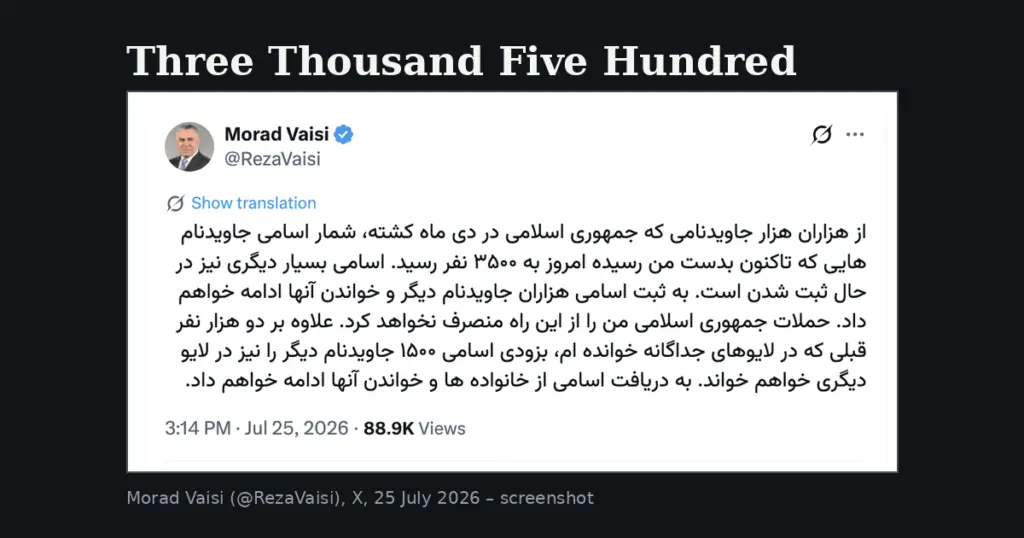
On 25 July 2026, Morad Vaisi published a number. Vaisi is senior Iran analyst at Iran International and host of its flagship politics programme. Since January he has been collecting the names of the dead and reading them aloud, live, hour after hour. It is honourable work. He has done it under pressure, and he […]
The Love of the Microphone
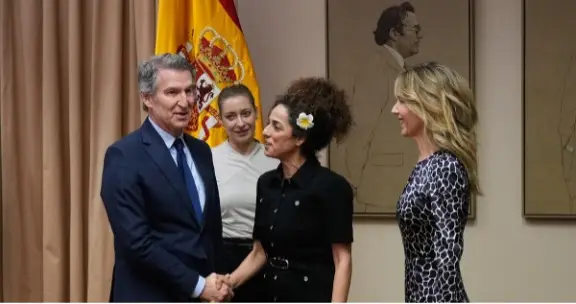
On Masih Alinejad’s theatre of grief, the platforms that reward it, and the war she now says she never wanted. Alberto Núñez Feijóo, leader of the Partido Popular, greets Masih Alinejad before the ‘Mujeres libres’ session at the Congreso de los Diputados, Madrid, 5 March 2026. Credit: EFE / Borja Sánchez-Trillo, via Infobae. On 21 […]
Somebody Else’s 1945
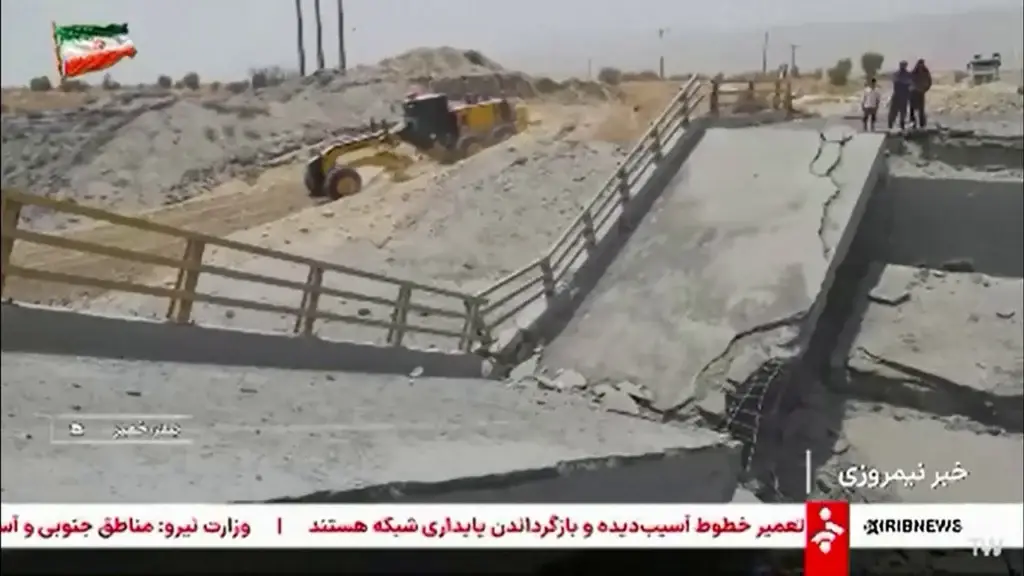
On the Nazi analogy, the Iranians who reach for it from abroad, and the state that made it plausible Aftermath of overnight US strikes on a bridge in Bandar Khamir county, near the Strait of Hormuz, 17 July 2026. Screengrab from footage broadcast by Iran’s IRINN state television, made available via AFPTV. Credit: AFP / […]
Nobody Wants to Go to War
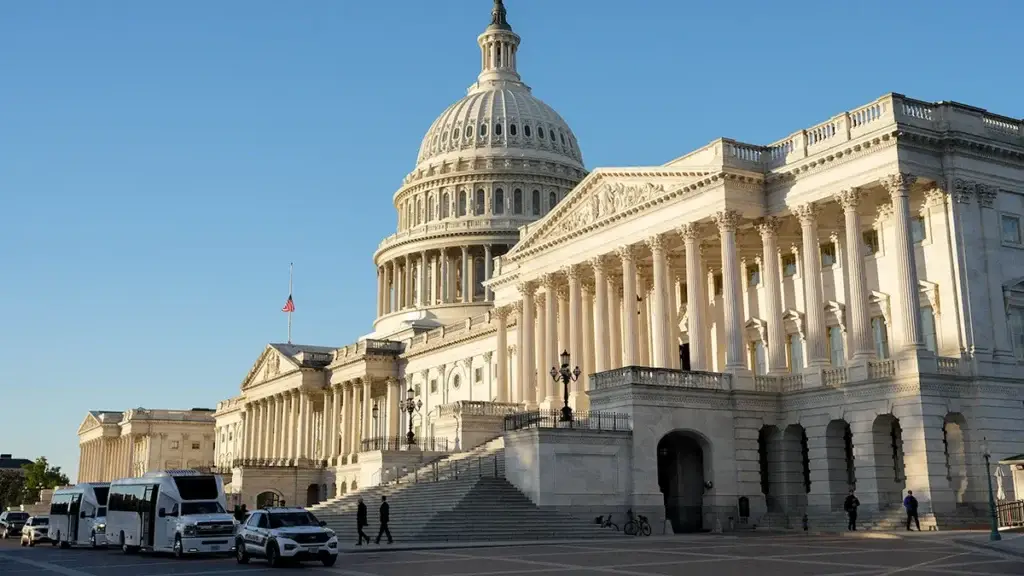
On a corridor interview of 21 July 2026, and the verb that carries a war A journalist puts one question to three United States senators: the President has formally told Congress that the war with Iran has resumed. What do you make of it? The exchange, filmed by Marzia Hussaini and posted to X on […]
The Table and the Ledger
On Sada Cumber’s ‘Iran at the Crossroads’ (National Security Institute), and what would tell us the turn is real A crossroads implies a traveller. Somebody walked to get there, at a price, and somebody now has to choose a road. Sada Cumber has the right image for this moment, and I want to take it […]
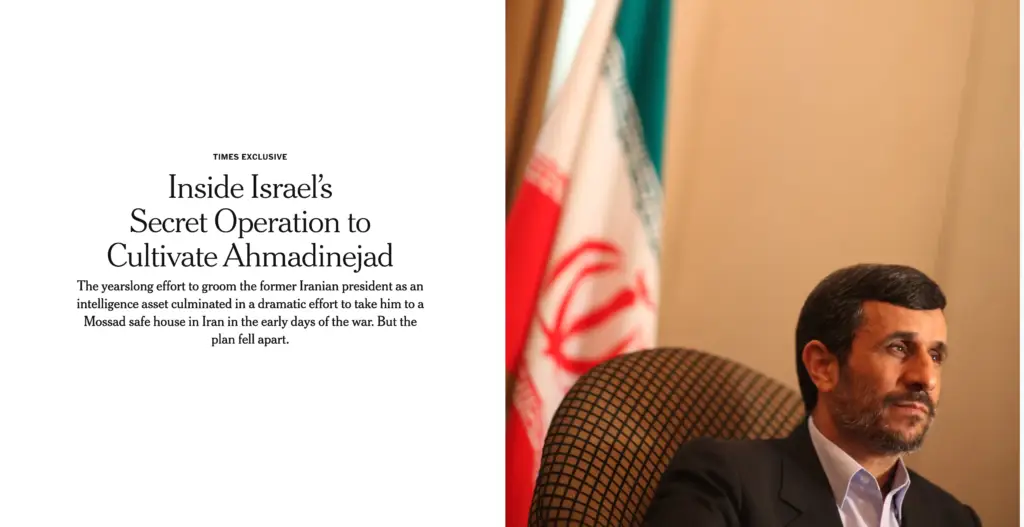
The Ledger of Ali Khamenei
Ali Khamenei held the office of Supreme Leader for thirty-six years. He inherited a republic that was bruised, broke, and at war, and he left behind a state whose legitimacy had been hollowed from within – by his own hand, and often against his own stated interests. The record is long enough to sort. He […]
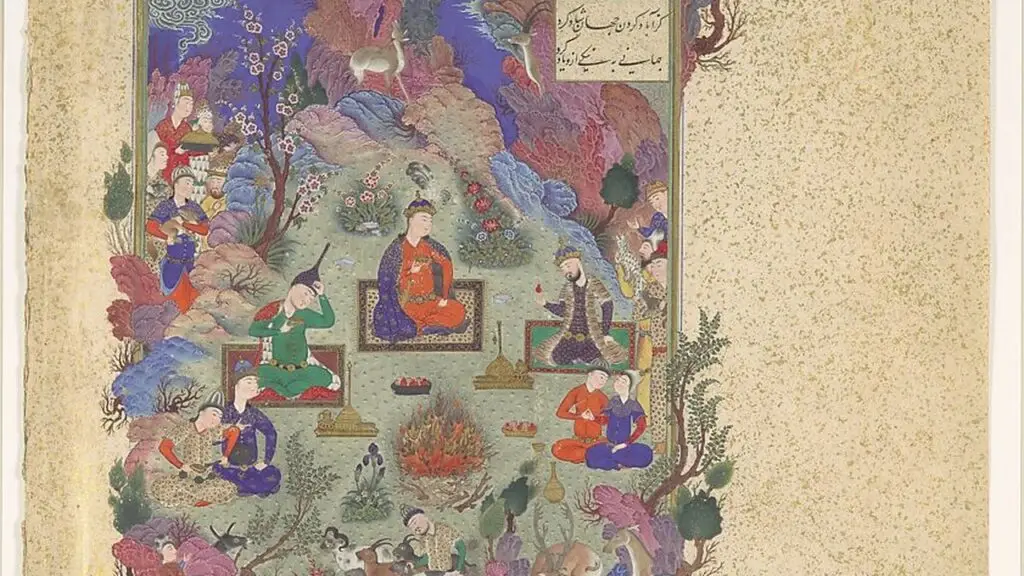
Nobody Is Free to Stay
The programme opens in Istanbul, at a reading of the Shahnameh. Fifty thousand couplets, a thousand years old, recited aloud by Iranians far from home. Within two minutes the frame is set: this, we are told, is where Iranians go now, as disillusionment with Islam takes hold. ‘War, God and the Islamic Republic’, an edition […]
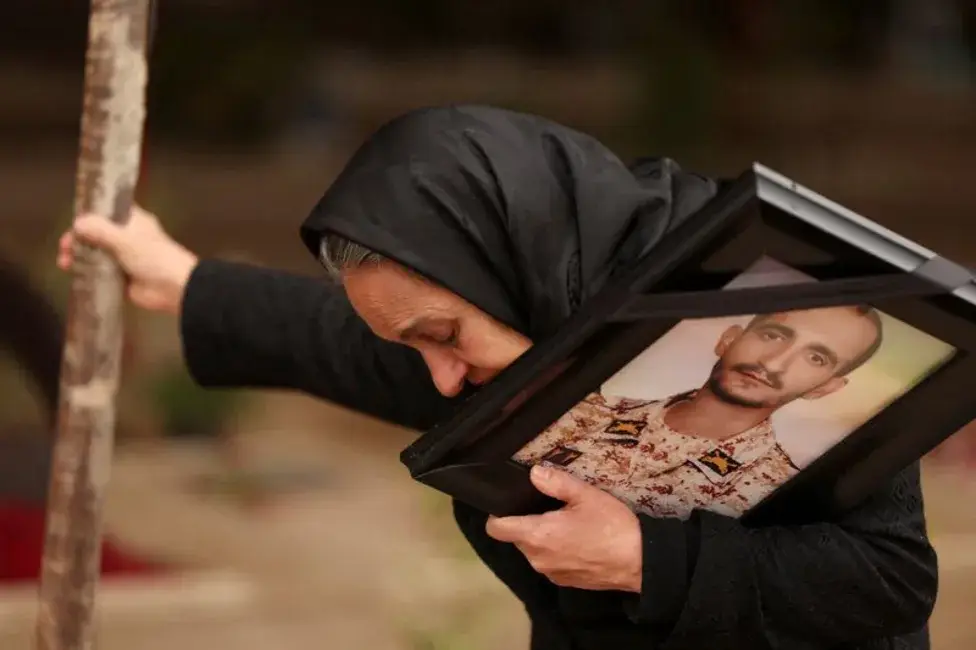
The Grief You Can Afford
On Reza Pahlavi’s sudden mourning for the conscripts of Bampour, and the children of Minab he was willing to call a price This week you asked Iran’s soldiers not to die for the Islamic Republic. You mourned the conscripts killed at the Bampour garrison. You told their parents to keep their sons at home. You […]
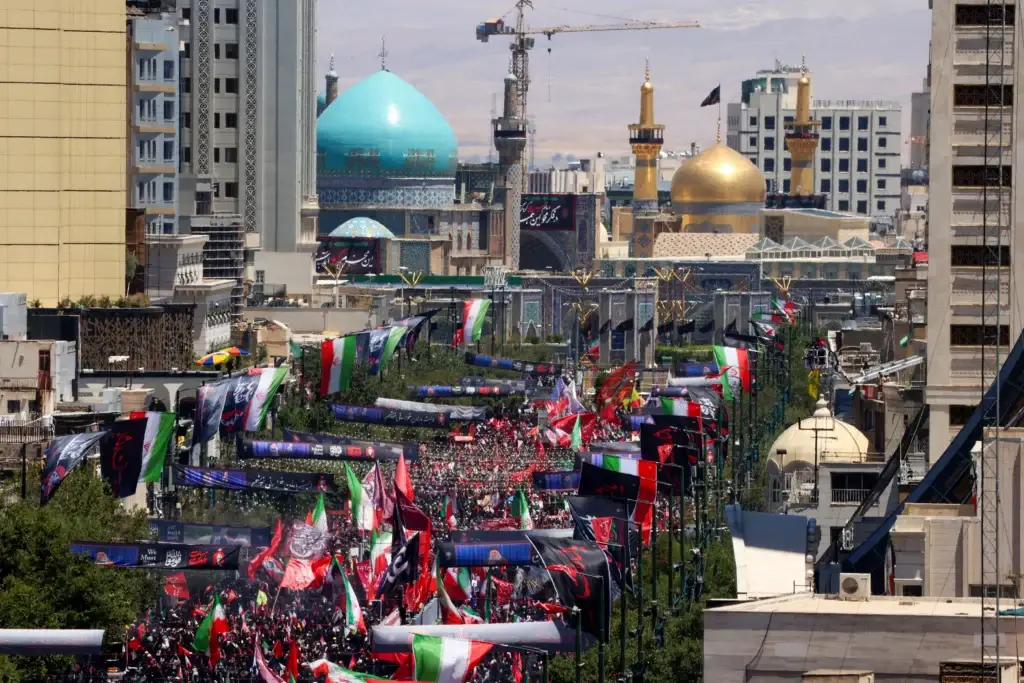
Bargaining by Fire
The funeral has ended, the firing has resumed, and the next fortnight will decide whether the June understanding can be rebuilt. It can, and it probably will be. Ayatollah Khamenei was buried in Mashhad today, at the close of a six-day procession through Tehran, Qom, Najaf and Karbala that his state mounted, at great cost, […]
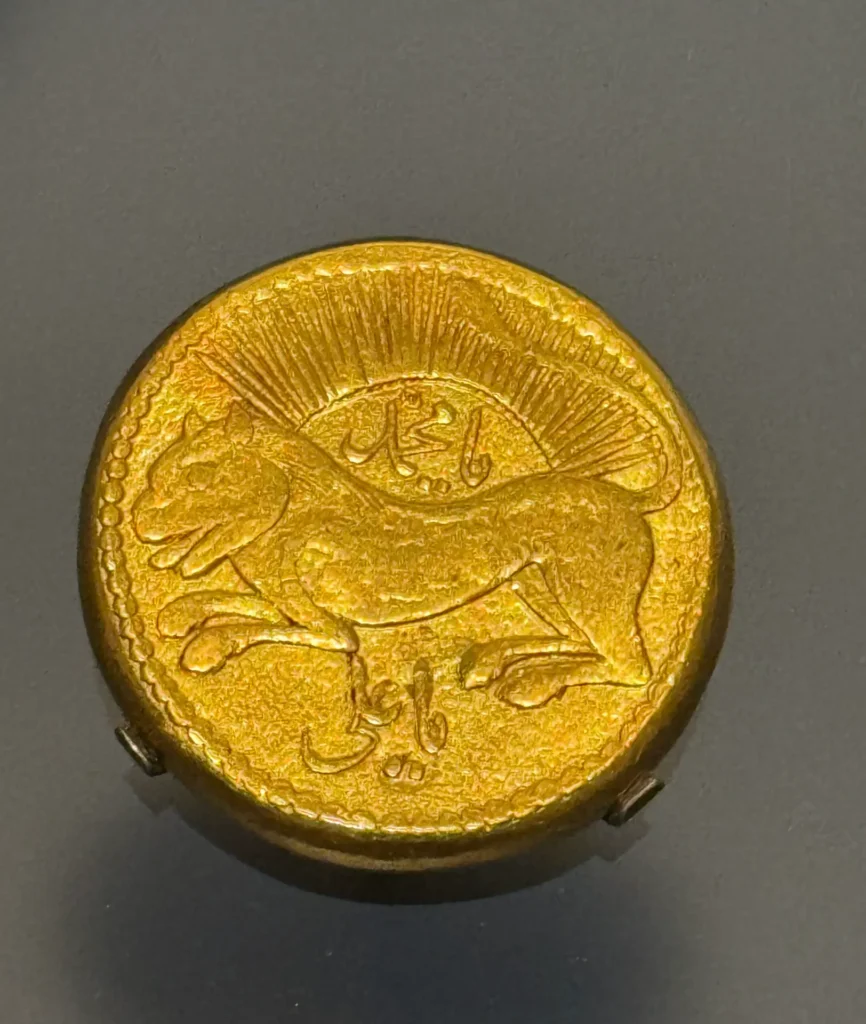
The Flag in the Stands: On the Monarchist Abuse of the Lion and Sun
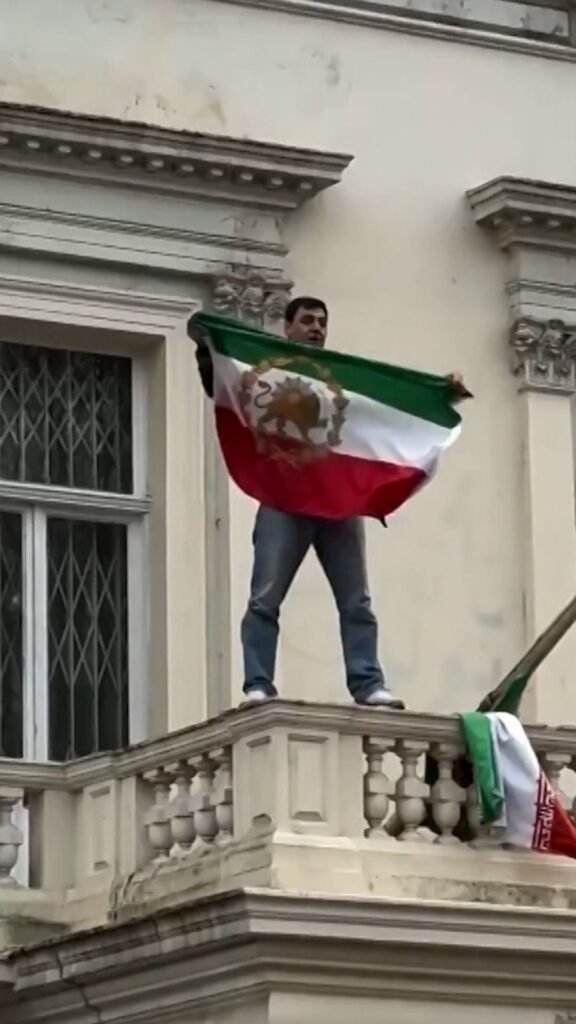
The Lion and Sun has been systematically claimed by Iran’s monarchist restoration movement, which deploys it as a pre-Islamic or anti-Islamic identity marker — a visual shorthand for the proposition that authentic Iranian identity is secular and fundamentally in tension with Shi’i Islam. This is not an interpretation of history; it is a confiscation of […]
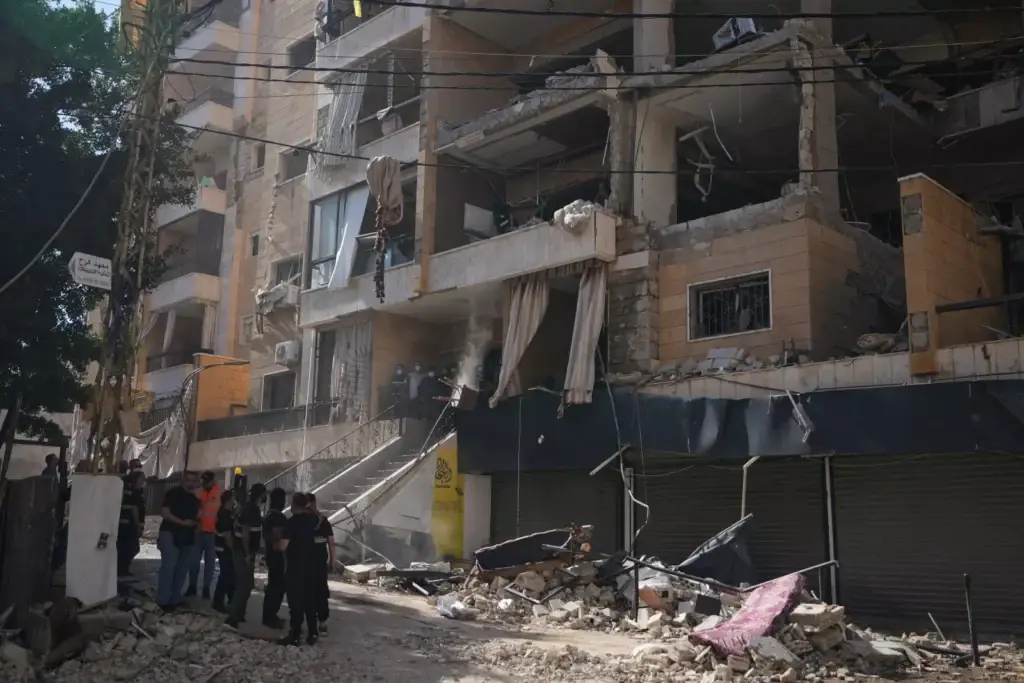
A Proxy for Thought
The word arrives early and does its work quickly. In almost every account of the latest exchange of fire between Iran and Israel, “proxy” appears within the first breath — Iran’s proxy forces, its proxy militias, its proxy war waged through others while its own people go neglected. The word is meant to settle the […]
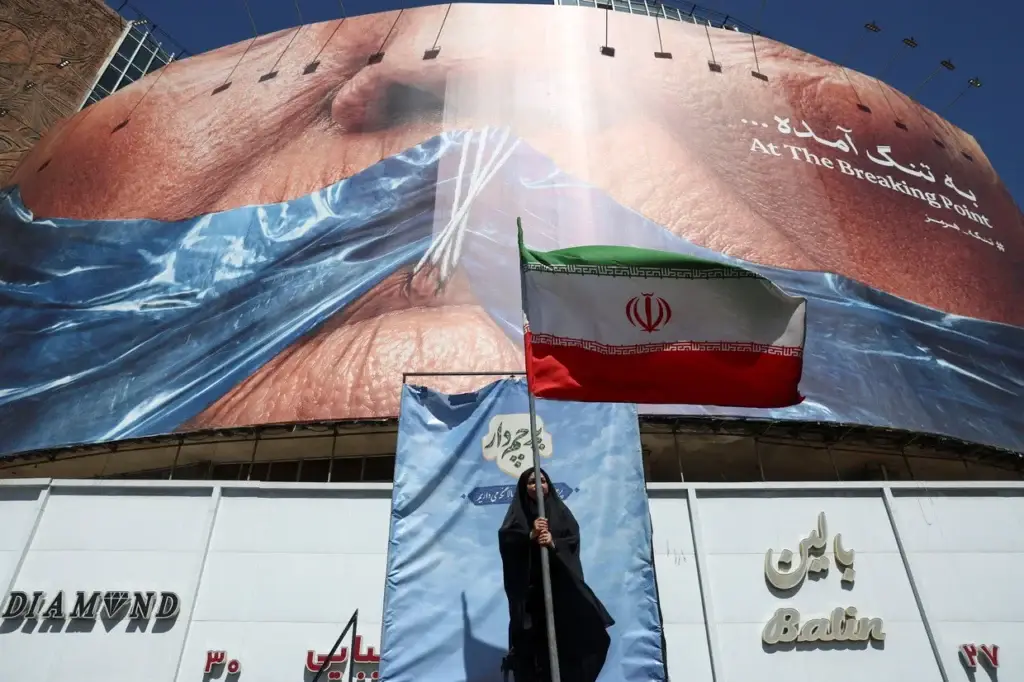
Trading in Pain, After the Ceasefire
Revisiting the Moral Market Where I Started In March, before the ceasefire, I argued that the gap between Iranians inside the country and those abroad isn’t really a political disagreement. It’s a clash of two lives that don’t translate into each other. What I called the “moral market” was the result: a place where pain […]
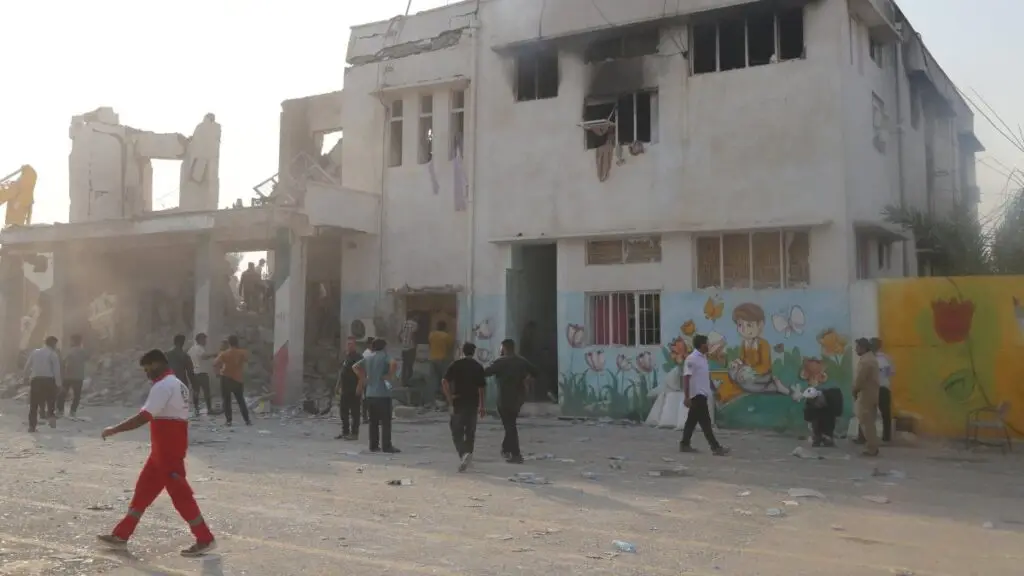
Whose Infrastructure, Whose Celebration?
On Reza Pahlavi’s Odesa narrative and the laundering of a war’s human cost In Odesa last week — at a forum convened on the principle that bombing a nation’s grid, ports and apartment blocks is a crime against that nation — Reza Pahlavi reportedly told his hosts that the Iranian people celebrated when “the regime’s […]
Dead Air: A Throne on Subscription
Manoto, Foreign Money, and the Constituency That Was Never There When Manoto television ceased satellite broadcasting on 31 January 2024, the event was widely read as a financial failure, and the channel’s subsequent history did little to dislodge that reading. A diminished online operation followed; then, in February 2026, even live programming was suspended […]
Built from Scratch
On the Equation That Turns a Nation Into Acceptable Rubble Do we distinguish between Iran and the Islamic Republic? Are they one and the same? It sounds like a pedant’s quarrel, a hotspot for social media. It is not. And you may be surprised which side of it you find yourself on. Begin with […]
The Abdication of Critical Thinking: Why Scholars Abandon Rigour in Politics
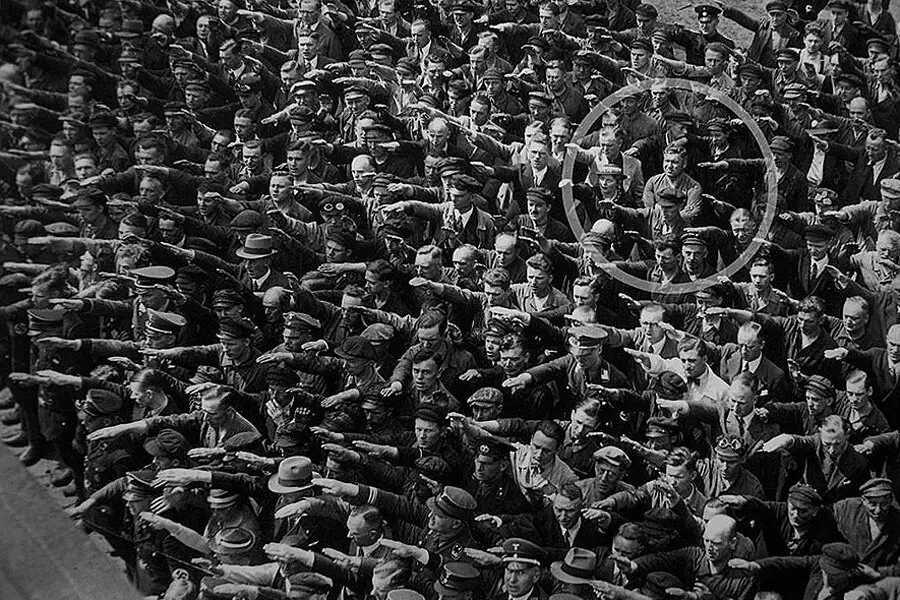
A paradox haunts contemporary intellectual life, one that demands we examine ourselves with uncomfortable honesty. Here stands a senior scholar in the humanities—trained in textual analysis, ethics, even mysticism—whose political views are so flawed, so deeply troubling, that we find ourselves asking: where did the critical thinking go? And more disturbingly: how did these […]
The Architecture of Cruelty
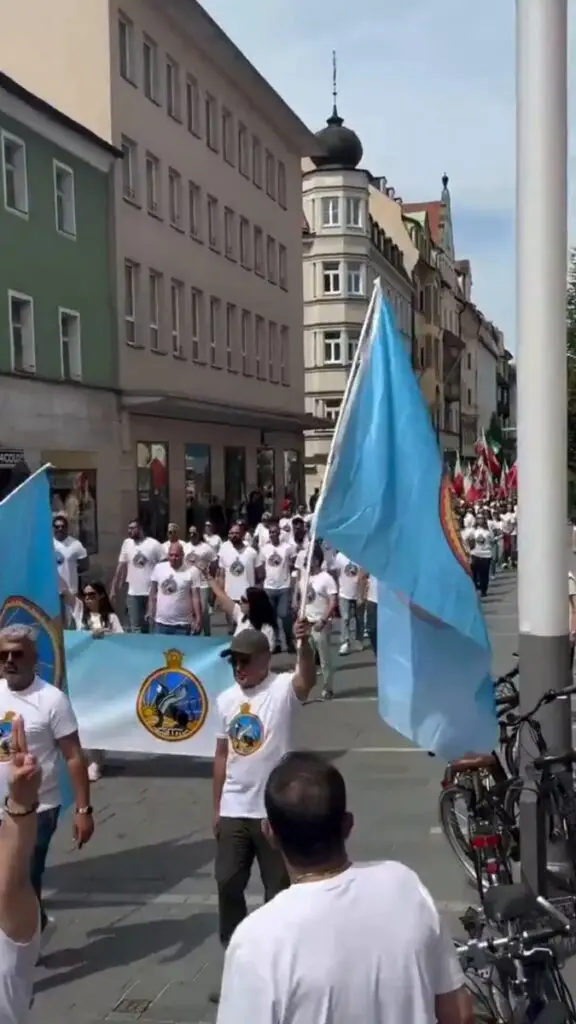
SAVAK, State Torture, and the Dangerous Nostalgia of Forgetting In cities across the West—Los Angeles, London, Munich, Regensburg—a strange phenomenon has taken root. At demonstrations ostensibly calling for a free Iran, young men and women don SAVAK T-shirts, wave the emblem of the Shah’s secret police, and chant slogans glorifying a security apparatus that tortured, […]
The Thesis Without a Scaffold
A Critique of the Iran Ledger’s “Sanctions as Market Control” I have spent the better part of a decade building an analytical framework that demands one thing above all else: that claims earn their keep. Every concept I deploy—the emergency mind, the occupation myth, the algorithmic militia—is coined, defined, stress-tested against counter-examples, and offered up […]
When Language Fails: Vulgarity, Silence and the Unfinished Conversation
I was there—present online—when Dr. Fatemeh Sadeghi and Hossein Hamdieh, speaking from London and Tehran respectively during Iran’s internet blackout, began discussing something that has haunted me for months. An interrogator assigned to question young protesters arrested during the Woman, Life, Freedom uprising had confessed his bewilderment. He could not understand what they were saying. […]
Signal Through the Blackout
In a recent ninety-minute conversation with Sobhan Yahyaei for the Farsi Panorama podcast — the inaugural episode of a season titled Life in a Time of War — I tried to think aloud about the trilateral confrontation involving Iran, the United States and Israel, the predicament of the Iranian diaspora, and the cultural sediment from […]
Our Future Is Not Their Past
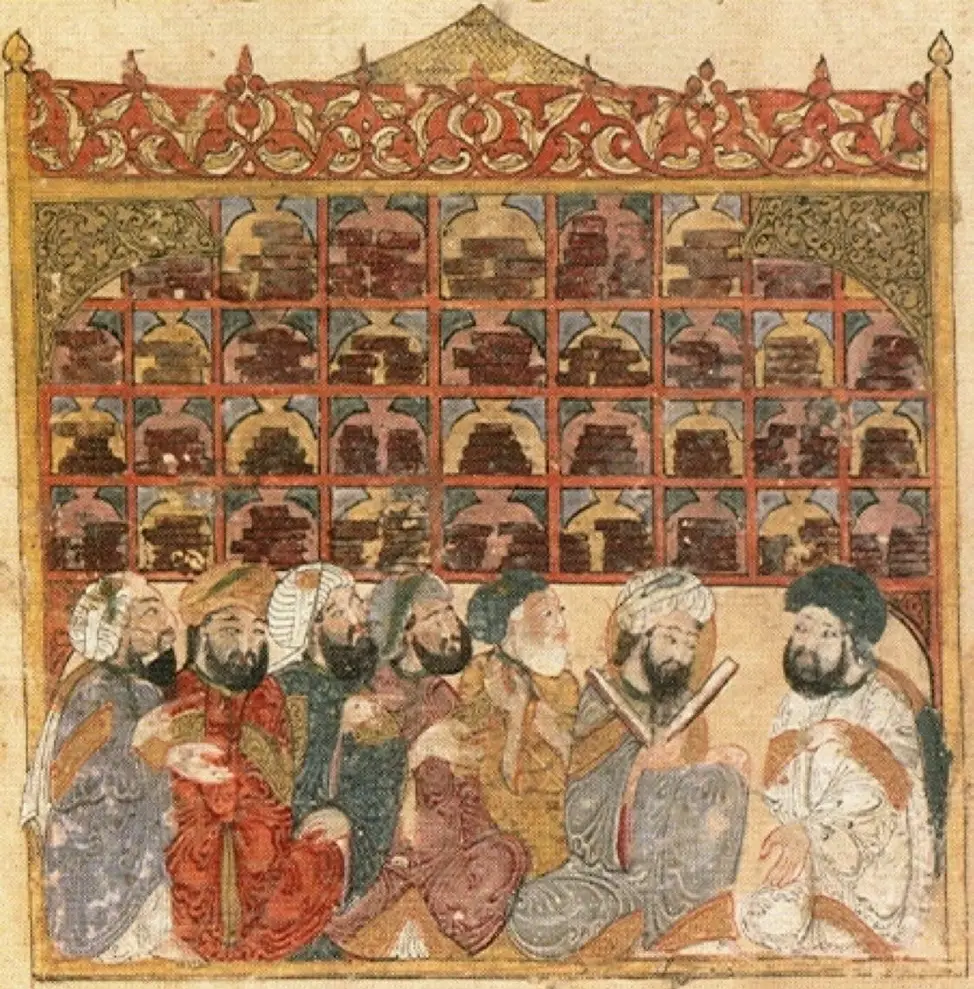
Bibliothèque nationale de France, Département des manuscrits, MS arabe 5847, folio 1v. Illuminator: Yaḥyā ibn Maḥmūd al-Wāsiṭī. Baghdad, 634 AH / 1237 CE. On a Pluralist, Non-Eurocentric Modernity A Sentence That Carries the Argument There is one sentence that has come to carry the whole of my argument about modernity, and I want to put […]
Beyond the Pause
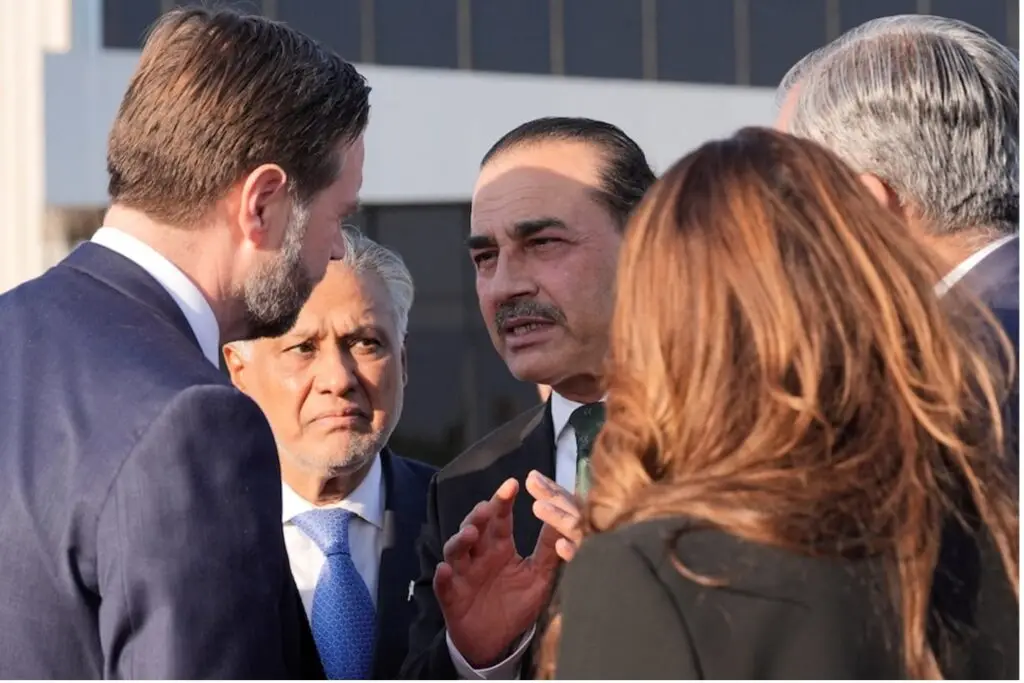
Image: Delegates during the Islamabad talks on the US–Iran track, April 2026. Credit: Reuters. A Dialogue with Ambassador Sada Cumber Ambassador Sada Cumber’s recent essay for the National Security Institute, “Dialogue to Truce: Pakistan’s Role in Reshaping the Regional Structure,” reads, at its best, as a quiet warning. He argues that what we are witnessing […]
Voice to What End?
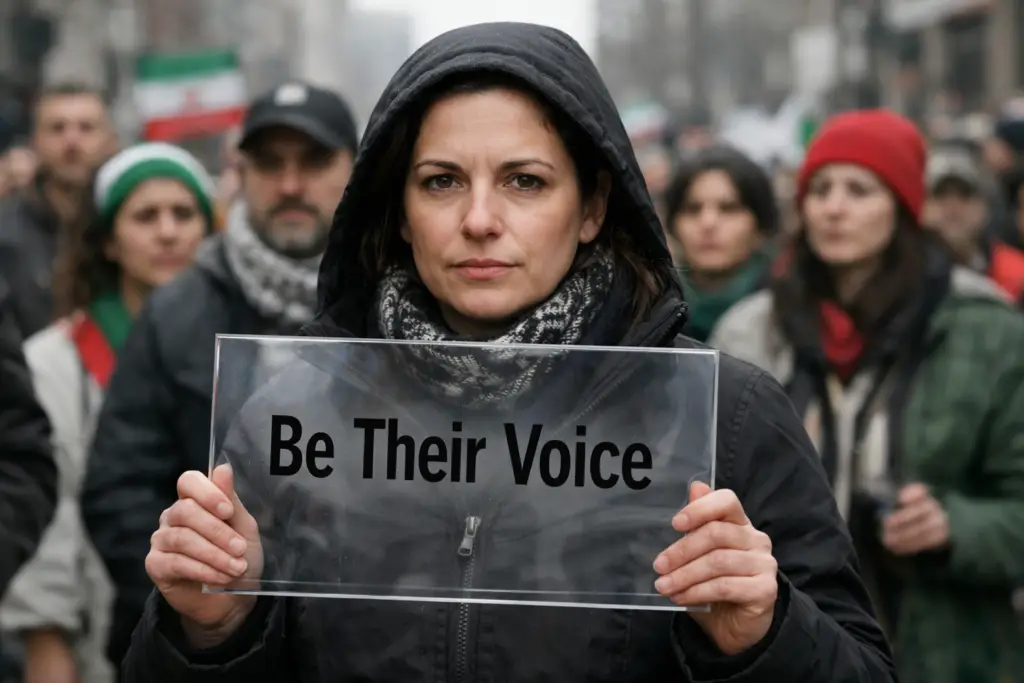
The placard is simple, humane, and emotionally irresistible: “Be their voice.” At first glance, who could object? If people are censored, jailed, beaten, or killed, should they not be heard? Of course they should. But politics begins precisely where sentiment ends. The real question is not whether Iranians should be heard. The real question is […]
The Iranian Abroad: A Shift the Diaspora Has Not Registered
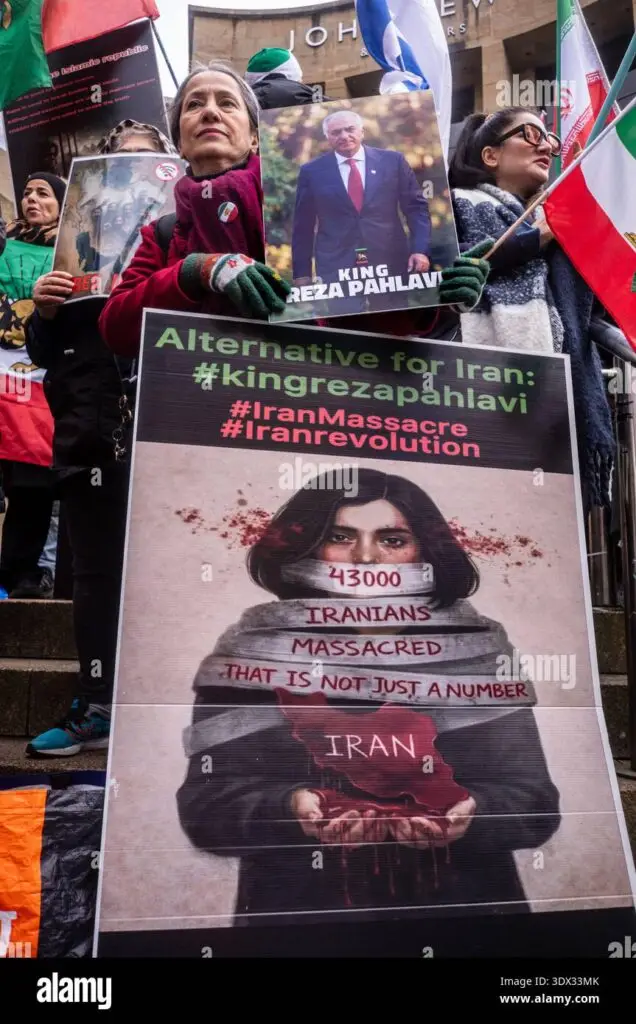
A pro-monarchy demonstrator in Glasgow holds a placard that includes a reference to SAVAK. The event, on February 28, 2026, was a rally celebrating US-Israeli strikes on Iran. Over the past year, the global perception of Iranians has shifted in a direction that neither passport indices nor the slogan-politics of a loud exilic faction can […]
The Normalcy We Must Defend
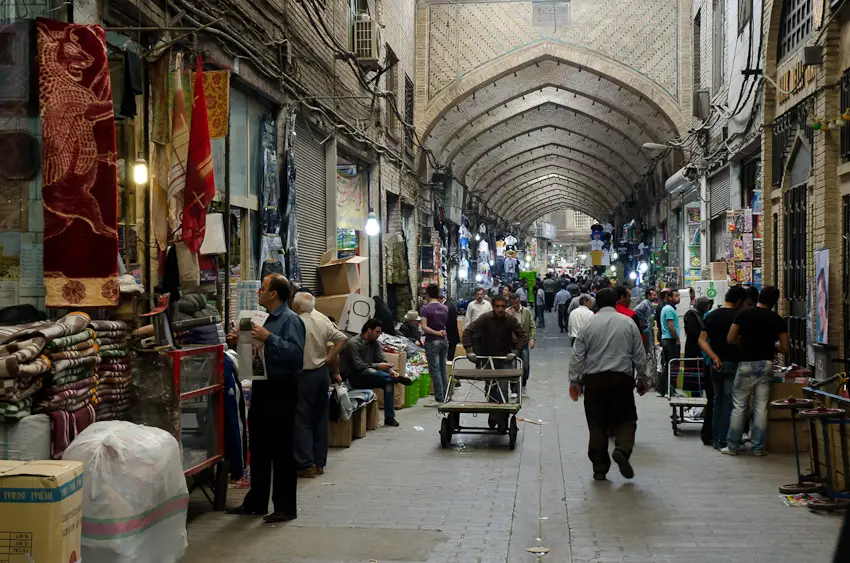
Hazrati Alley in Tehran’s Grand Bazaar, April 2011—captured just before the most stringent international sanctions were imposed. The image shows the bustling daily commerce and the civilian economic fabric whose protection is at the heart of the argument that follows. On Sanctions, the Temptation of a War Economy, and the Quiet Labour of Breaking the […]
The Algorithmic Militia
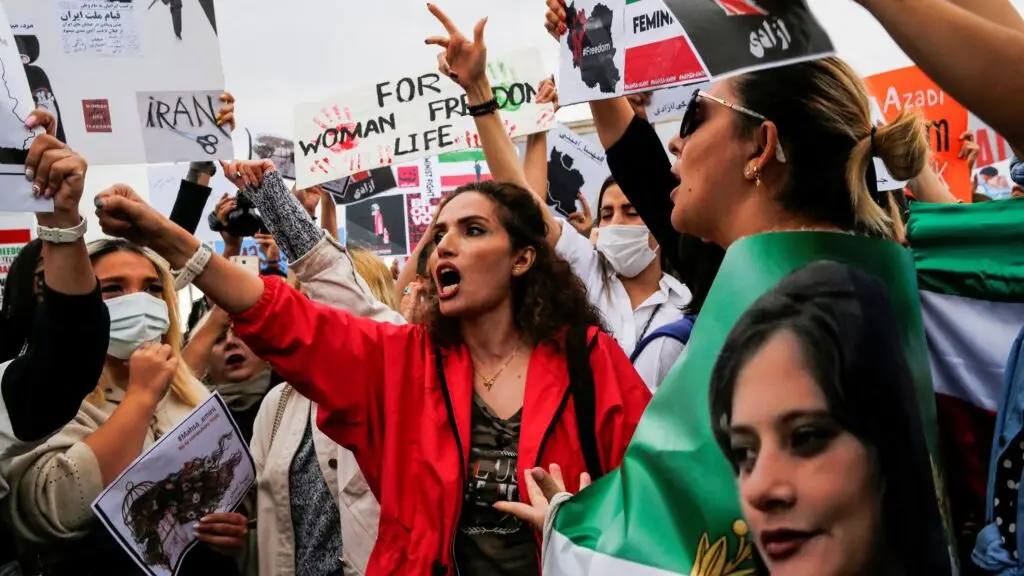
Photo: Getty Images / CNN How Curated Certainty Replaces Political Consciousness in the Digital Diaspora A message arrived recently on social media—the kind that has become ordinary in certain corners of the Iranian diaspora. It was a response to someone questioning an unverified claim about alleged government infiltration. The reply was swift and uncompromising: first, […]
The Occupation Myth
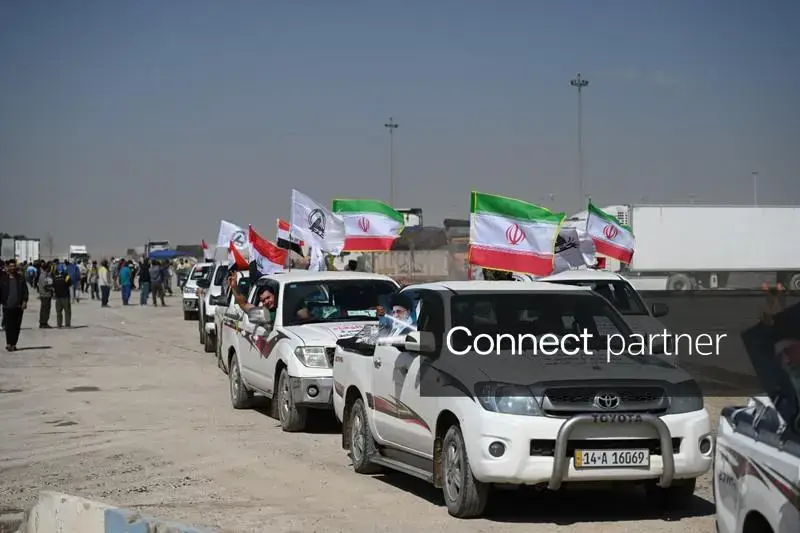
Credit: Haidar Mohammed Ali / Anadolu via Reuters Connect [Note: The Reuters Connect page itself says the asset is provided by Anadolu Agency and that Reuters Connect “has not verified or endorsed the material.”] One of the lazier slogans in recent Iranian political discourse is the claim that Iran has been “occupied” because the Islamic […]
Pakistan Between Riyadh and Tehran: Military Ally, Peacemaker
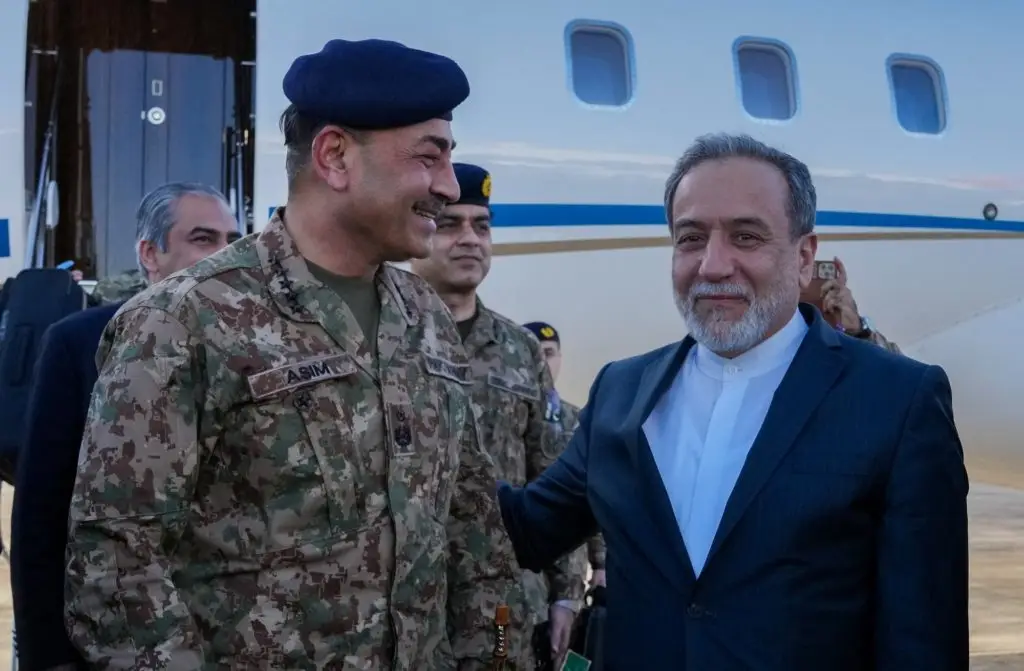
Source: PBS NewsHour / Reuters An Assessment of Strategic Contradictions and Diplomatic Opportunities The Dual-Role Paradox Pakistan’s deployment of 13,000 troops and fighter jets to Saudi Arabia on April 11, 2026—executed under the Strategic Mutual Defence Agreement (SMDA) signed in September 2025—has thrust Islamabad into the centre of the Iran conflict with a fundamental contradiction. […]
The Manufactured Mirror and the Curated Outrage
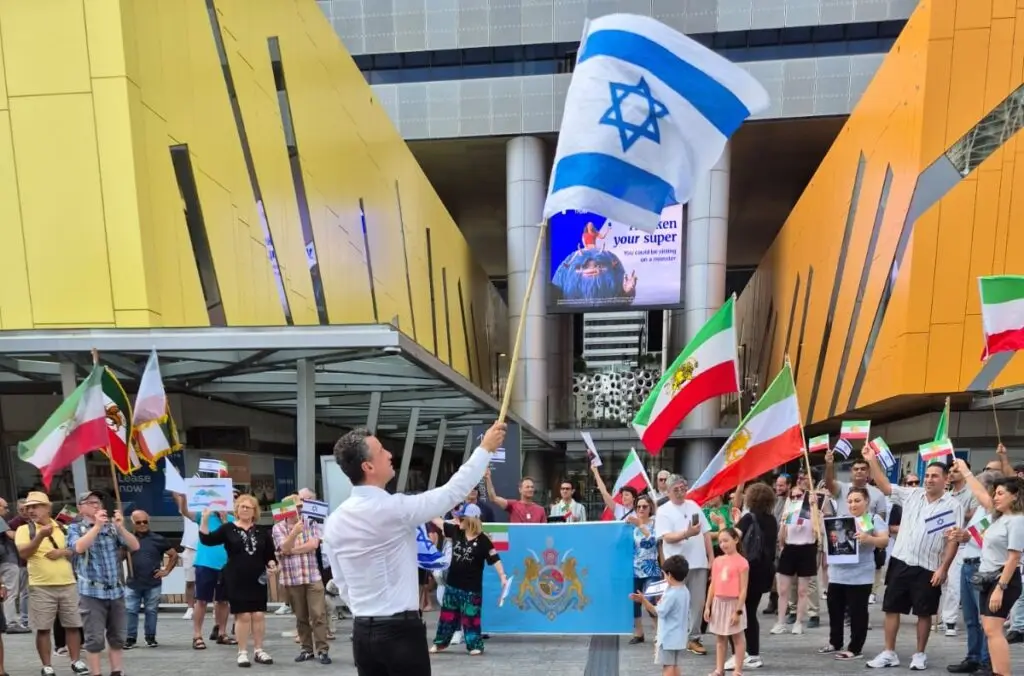
Members of the Iranian diaspora in Perth, Australia, holding a solidarity rally on 10 January 2026 against the Islamic Republic | Source: Wikimedia Commons | Credit: Gnangarra Listen to this essay: I have watched the Iranian diaspora move deeper into an information war that rewards certainty over truth. In that war, social media does not […]
Iran’s Unfinished Reckoning
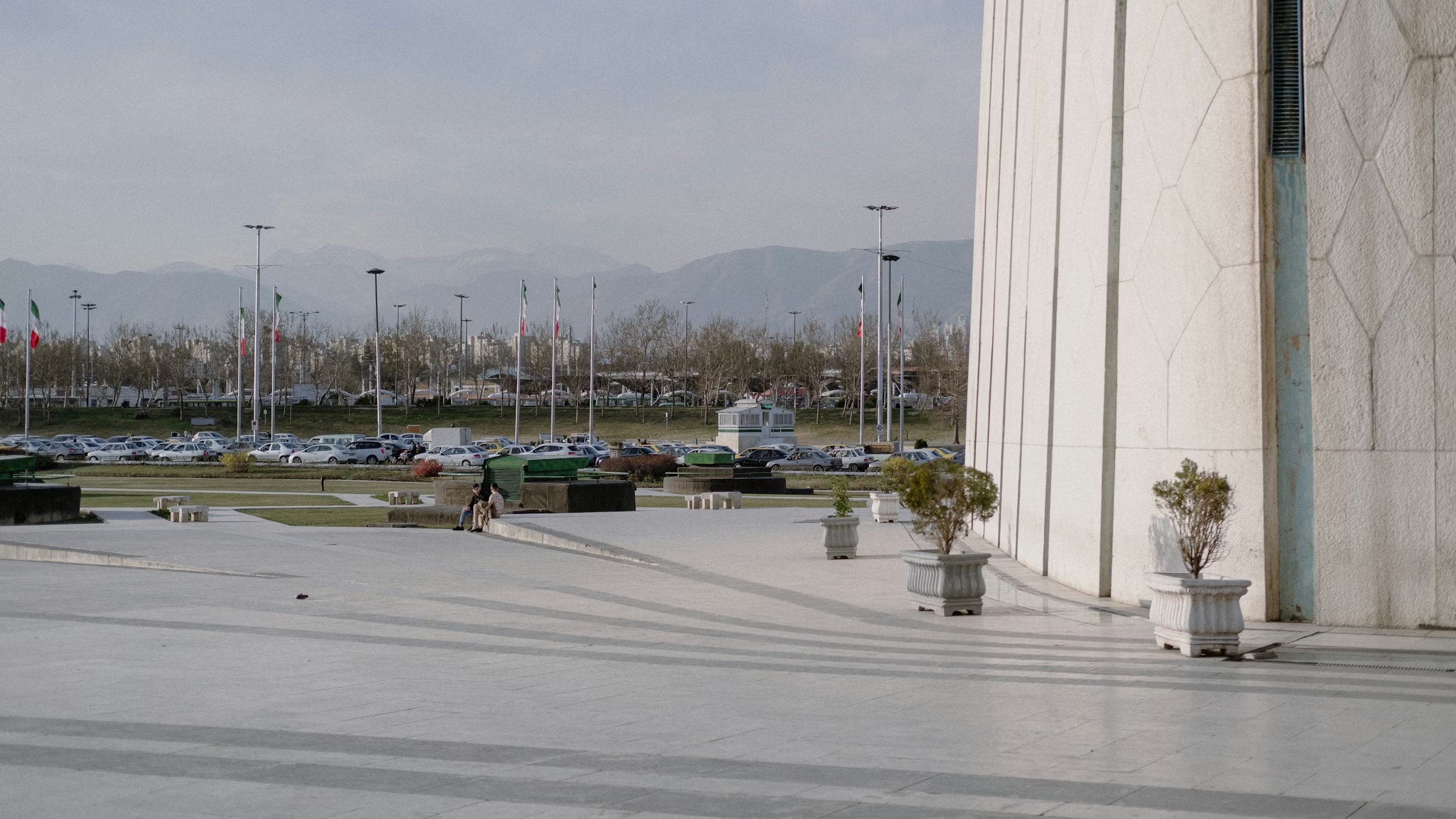
Photographer: Parastoo Maleki – Unsplash A narrative essay drawn from a dialogue between Hossein Hamdieh and Daryoush Mohammad Poor The Polarised Mirror In the spring of 2026, Iran and the United States were engaged in careful, tentative diplomatic contacts—first talks in Islamabad, Pakistan’s army chief Asim Munir travelling to Tehran, a fragile ceasefire still holding. […]
The Ordinary Apocalypse
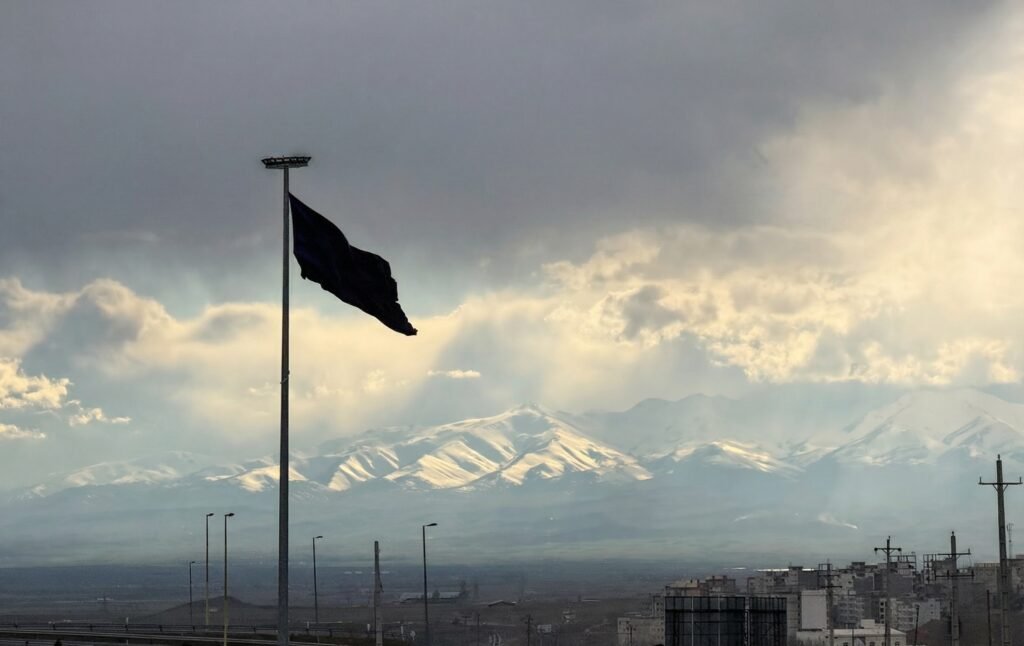
On Crossing Borders, Hearing Bombs, and the Stubborn Normality of a Nation at War Based on a first-hand wartime account from Iran by Kazeroun (@mkazeroun) on X “The evidence for a nation’s endurance is not found in its monuments but in the behaviour of its people when the monuments are burning.” The Decision to Go […]
Without the Adjectives: What the Evidence Reveals About Pahlavi’s Political Project
Introduction In my previous assessments of Reza Pahlavi’s political project, published on this blog during the 2026 US–Iran conflict, I employed polemical and emotionally charged language—characterizing Pahlavi as driven by a personal “vendetta with a flag” and deploying the postcolonial epithet “comprador intellectual” to describe his supporters. An independent methodological review of my work found […]

The Zwartboek Mirror
On Dutch Collaboration, Iranian Compradors, and the Price of Borrowed Salvation Still from Black Book (Zwartboek, 2006), dir. Paul Verhoeven. Rachel Stein, a Jewish resistance operative, navigates a world where collaborators and liberators wear indistinguishable faces. Paul Verhoeven’s Black Book (2006) opens a wound the Dutch spent sixty years bandaging. Set in the Nazi-occupied Netherlands, […]
War Unseen, War Unleashed
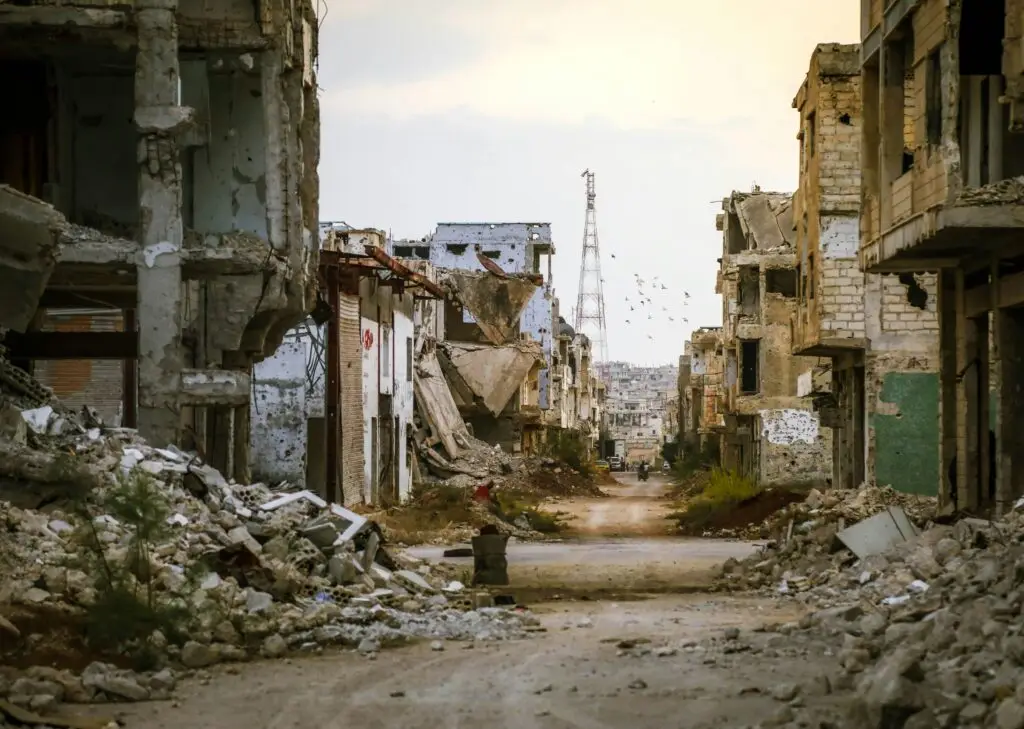
Photographer/Creator: Levi Meir Clancy / Source: Unsplash The loudest war drums in the diaspora are often beaten by people with no skin in the game at all. No mother in Tehran waiting through blackouts. No brother in Isfahan tracking sirens. No daughter in Shiraz sleeping under glass that could shatter at dawn. Yet they speak […]
The House Slave at the Microphone
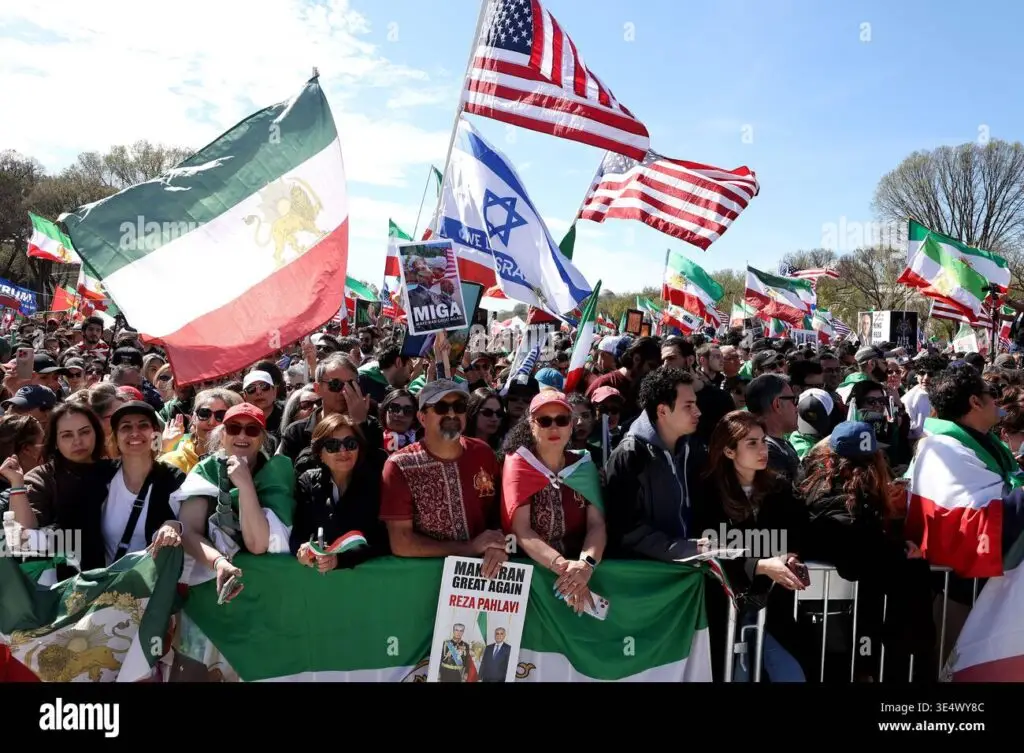
Credit: © ZUMA Press, Inc. / Alamy Live News On the Comprador Character in the Iranian Diaspora and the Collapse of Borrowed Salvation A Character Type, Not a Person Every imperial project produces its own native chorus—voices from the colonised world who sing the coloniser’s hymn in an accent the metropole finds authentic and therefore […]
A Vendetta with a Flag
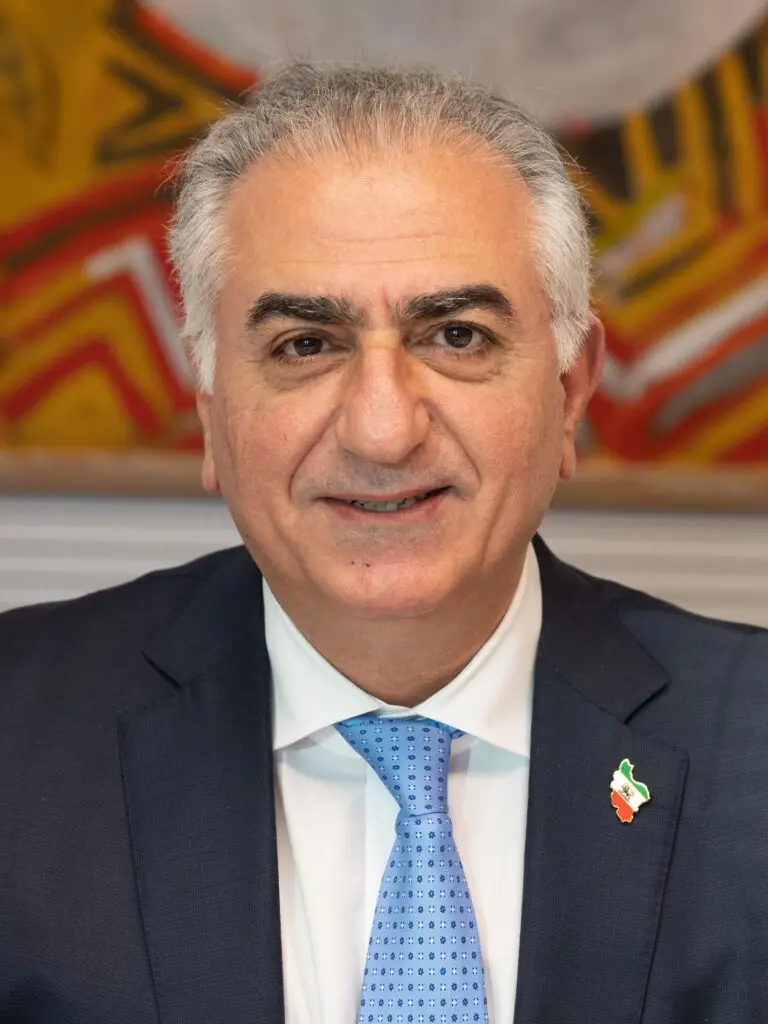
Alain ROLLAND © European Union 2023, Licensed under CC BY 4.0 Reza Pahlavi wants his throne back, and he is willing to see Iran broken to get it. For more than four decades, from the safety of American exile, the last scion of the Pahlavi dynasty has waged a campaign of dynastic restoration disguised as […]
The Copernican Revolution of the Iranian Mind
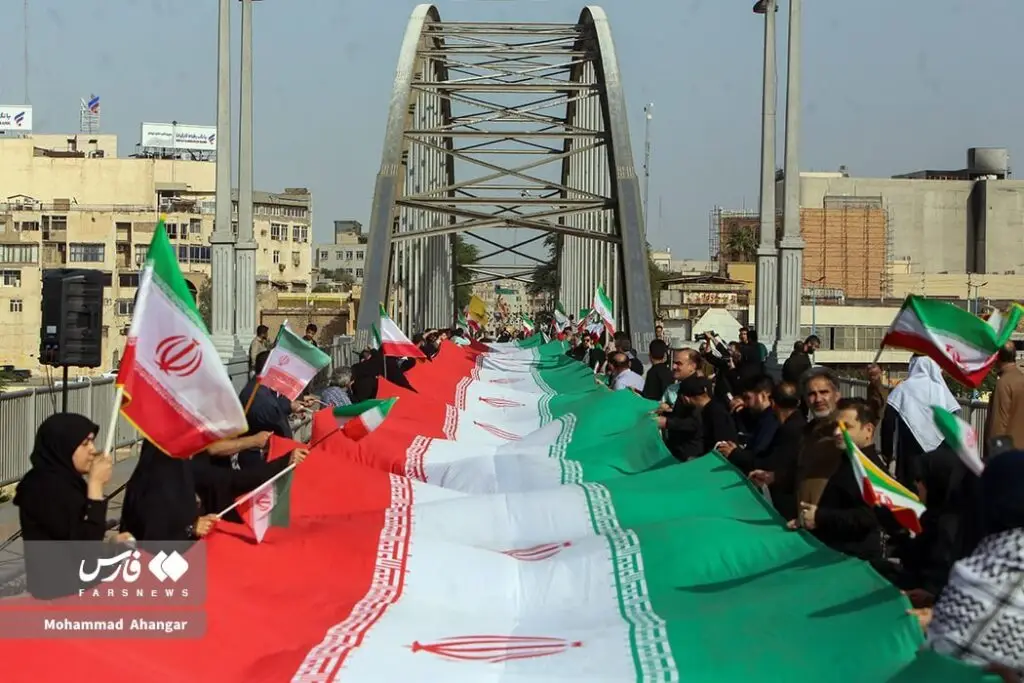
Hamid Dabashi on Sovereignty, Selfhood, and the End of Western Validation Based on a conversation between Hossein Hamdieh and Hamid Dabashi The Day After the Ceasefire On the Wednesday after the ceasefire was announced, Hossein Hamdieh sat in a repurposed factory near Azadi Square in Tehran—a building that had once housed industrial machinery and now […]
Wounded, Not Defeated: On the Endurance of a People and the Failure of Shortcuts
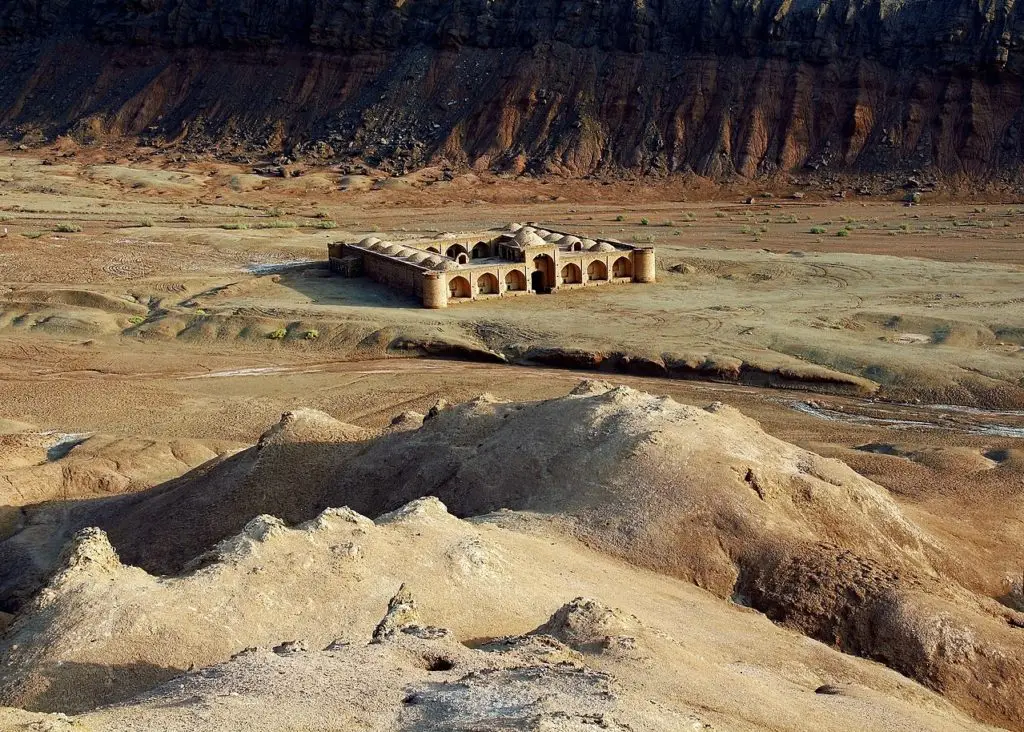
Chah Kouran Caravanserai, a Qajar era brick building visible from the road while driving. This is a response to a comment by Kayvan Hosseini, a brilliant and intelligent journalist at BBC Persian, whose interventions are generally sharp, disciplined, and to the point. Precisely for that reason, his recent formulation merits serious engagement. In this instance, […]
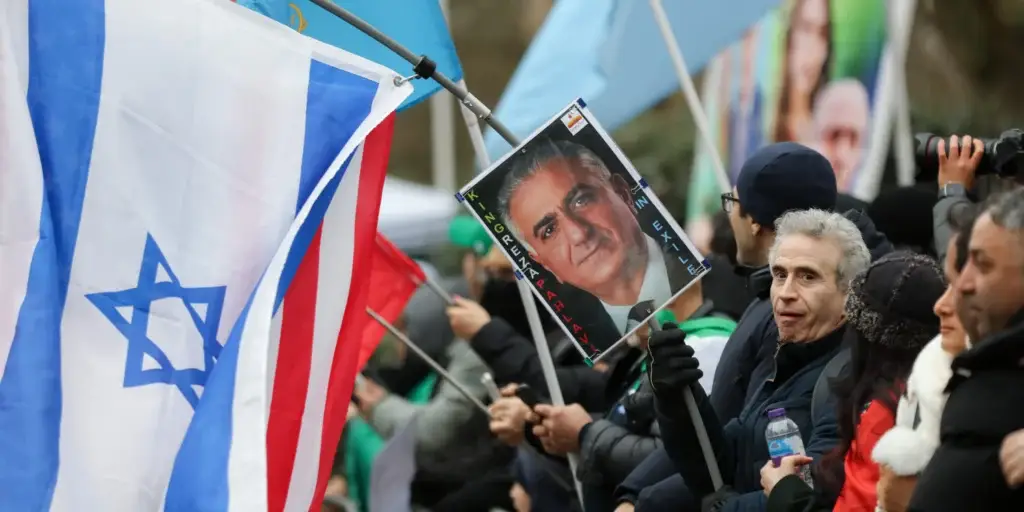
The Man With No Alternative
AP Photo / via The Intercept On Reza Pahlavi, the Monarchist Fallacy, and the Corruption of Logic A ceasefire has come into effect between the United States, Israel, and Iran. For most rational observers, this is a moment of cautious relief—a pause in a war that has already claimed nearly two thousand lives and wounded […]

Je Me Souviens: After Mahshahr
Photo by Jerry “Woody” / Wikimedia Commons / CC BY-SA 2.0 The Iranian diaspora keeps sending its people to the barricades. The people at the barricades keep dying. The diaspora keeps forgetting. In Quebec, every licence plate bears three words: Je me souviens—I remember. Not celebration, but defiance against erasure. Quebec remembers conquest, linguistic suppression, […]
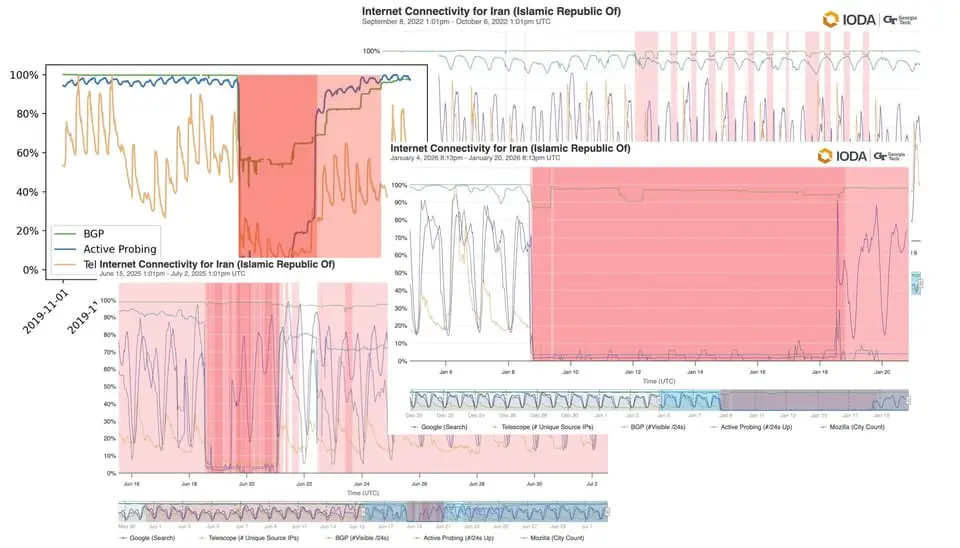
Iran’s Digital Dead End: Why Internet Shutdowns Guarantee Strategic Obsolescence
Credit: Georgia Tech Internet Intelligence Lab – IODA (Internet Outage Detection and Analysis), Center for Applied Internet Data Analysis Iran’s internet shutdowns during the 2025-2026 conflict have been the longest on record—38 consecutive days of near-total digital darkness. The opposition narrative is predictable: this is pure authoritarianism, full stop. The regime’s counter-narrative is equally rehearsed: […]
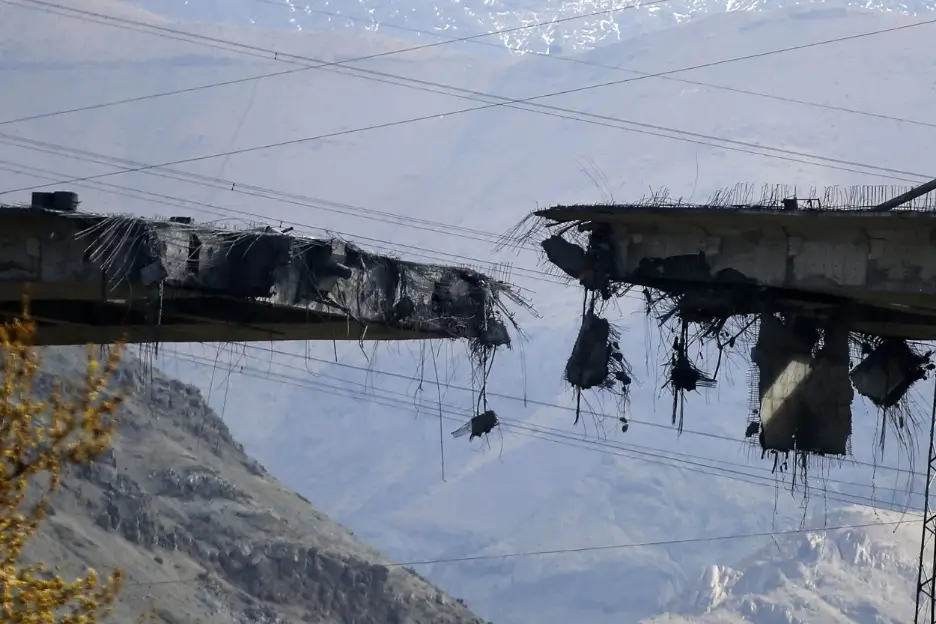
Stone Age-ism
The severed B1 Bridge — the tallest in the Middle East — after US-Israeli airstrikes, April 2, 2026. (Photo: NBC News) Lapis Aetatem Complicitatis — The Complicity of Wishing a Nation into Rubble One of the enduring arguments of a segment of the Iranian diaspora in favour of the illegal invasion of Iran has always […]
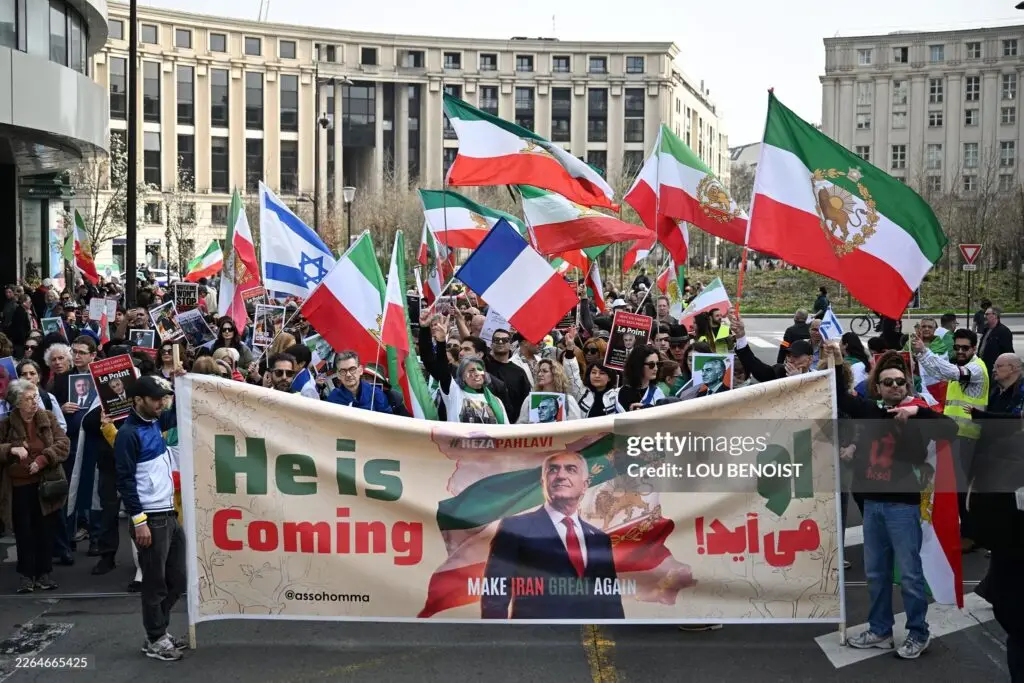
Why Reza Pahlavi Still Matters
Supporters of Iran’s last crown prince, now key opposition figure, Reza Pahlavi hold a banner reading “He is coming – Make Iran Great Again” and depicting a portrait of Reza Pahlavi during a march for Iran in Paris on March 7, 2026, amid the ongoing war in the Middle East. (Photo by Lou BENOIST / […]
Observations from Inside the War
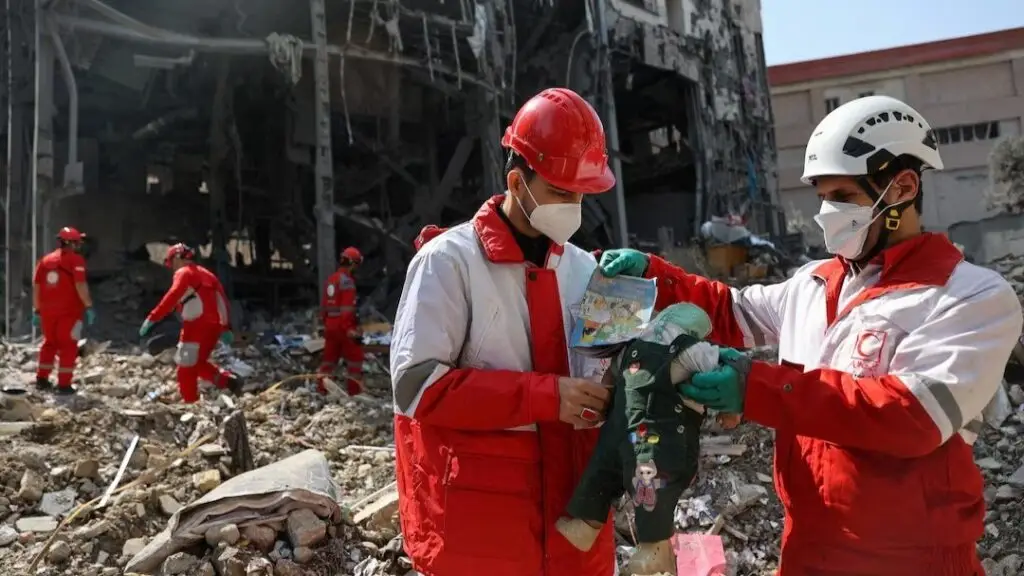
Image credit: Photo by Iranian Red Crescent / UPI A Witness Account from the Interior of a Nation at War By Ali Abdi, revised narrative by Daryoush Mohammad Poor “The truth is that the beginning of this path lies not outside us, but within us.” — Ali Abdi ◆ ◆ ◆ I. The Landscape of […]
At the Threshold of Surrender
Image credit: Source: Unsplash On Disillusionment and the Refusal to Close the Door This piece is the product of my reflections on a voice message from a friend, a friend undergoing cancer treatment. But it captures something of what we are all going through—a particular species of exhaustion that transcends any single struggle, any single […]
Why the Case for Ceasefire Stands
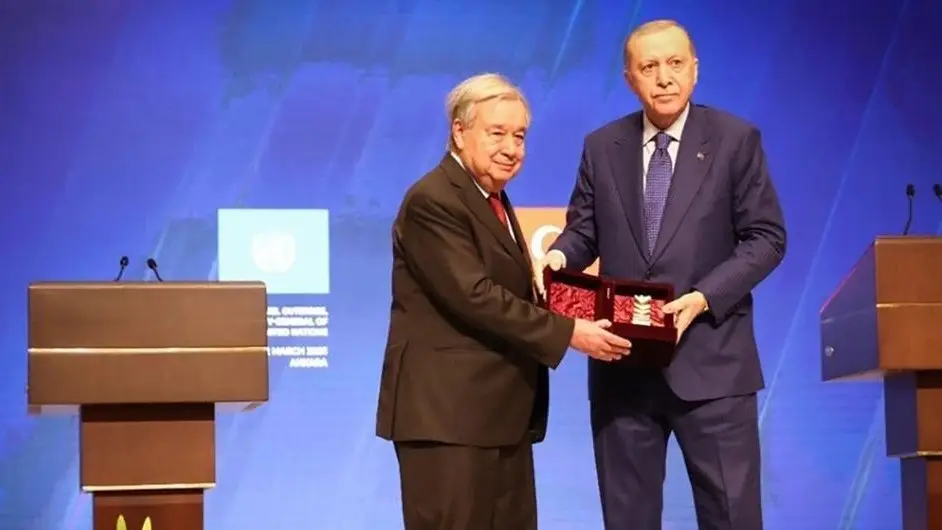
UN Secretary-General António Guterres receives the Ataturk International Peace Prize from President Erdogan of Türkiye in Ankara. Responding to Critics with Analysis, Not Ideology The critics demand evidence, baselines, cost accounting, enforcement mechanisms. Fair enough. Here are the direct answers that prove the ceasefire argument stands on analysis, not wishful thinking. What would invalidate this […]
Every Additional Week of Conflict Benefits Iran Strategically
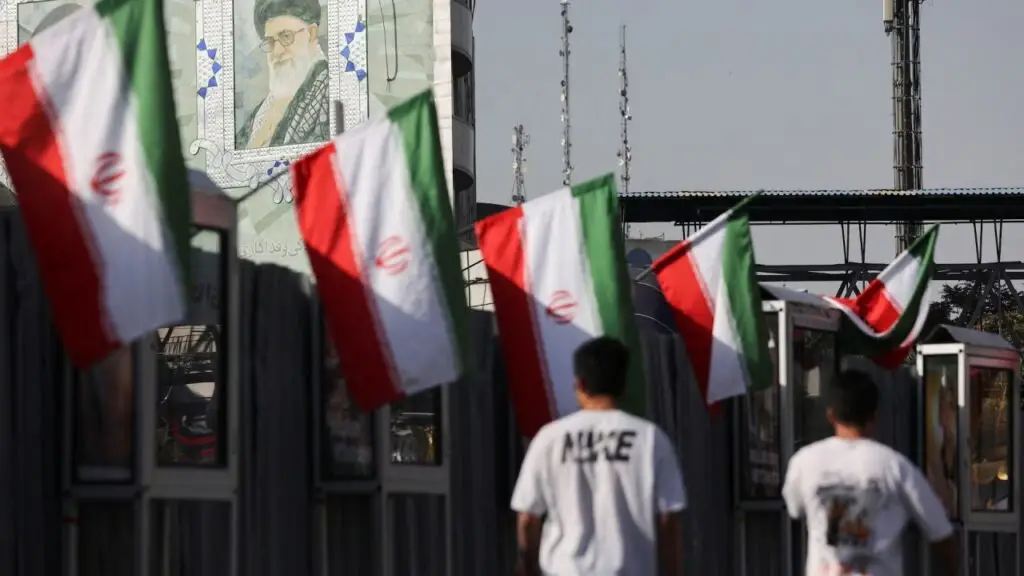
Image credit: Majid Asgaripour / WANA (West Asia News Agency) via REUTERS Why an Immediate Ceasefire Is the Only Viable Option The most plausible trajectory of the US-Israel war with Iran is not rapid victory but a grinding stalemate with growing escalation risks. Early expectations in Washington assumed that superior air power, intelligence coordination, and […]
The Depth Illusion: How Philosophical Scaffolding Disguises the Banality of War Apologism
Image credit: Photo by Tingey Injury Law Firm on Unsplash A Diagnostic Framework for Identifying Logical Fallacies in the Rhetoric of Humanitarian Intervention For S. S. and M. M. who steered the direction of this essay into a more constructive one. Introduction There is a genre of argumentation—increasingly prominent in debates over military intervention—that demands […]
The Elegy They Earned
On the Destruction of Humanities in Iran — First by the Republic, Now by Those Who Claim to Oppose It One of the defining legacies of Ali Khamenei — the second supreme leader of the Islamic Republic — was his obsessive, decades-long campaign against the humanities and social sciences. Much of this is recorded in […]
The Pen Against the Bomb
Hacking War with the Only Weapon We Have Left For S. S. who planted the seed of this essay in my mind. The Ominous Timing of War It is ominous—and it should unsettle every thinking person—that both times Iran came under invasion, Iran and the United States were in the midst of diplomatic negotiations. The […]
The Aryan Ghost: What the War on Iran Should Teach the Arab World
The Slogan That Should Alarm Everyone There is a slogan circulating with increasing confidence among a visible segment of the Iranian monarchist diaspora — chanted at rallies, printed on banners, amplified across social media with the fervour of a creed: “We are Aryans, not Arabs.” It is not a whisper. It is a declaration. And […]
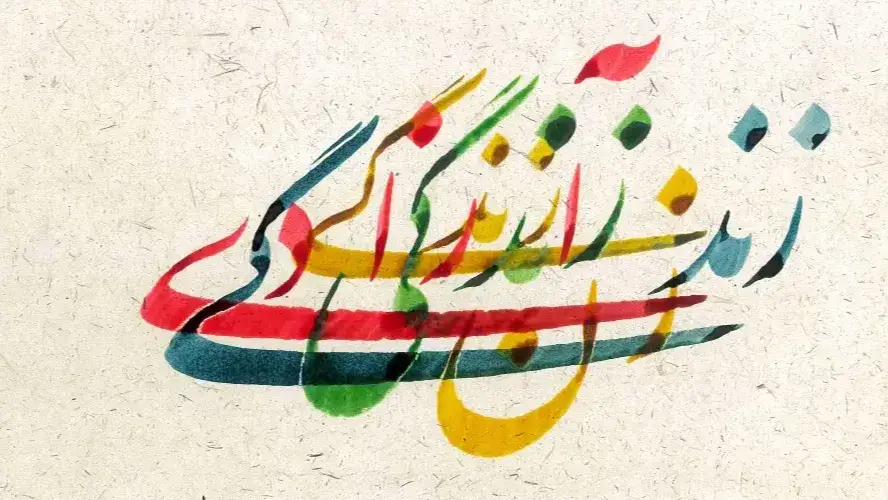
Civilisational Katharsis or Resurgence of Fascism
It is now pretty established that the most dominant voice on the social media belongs to an increasingly visible faction of the supports of monarchy restoration. They most prominent quality is vulgarity in language, speech, behaviour and actions. These are all abundantly recored in voice and video. The major line of defence among the monarchist […]
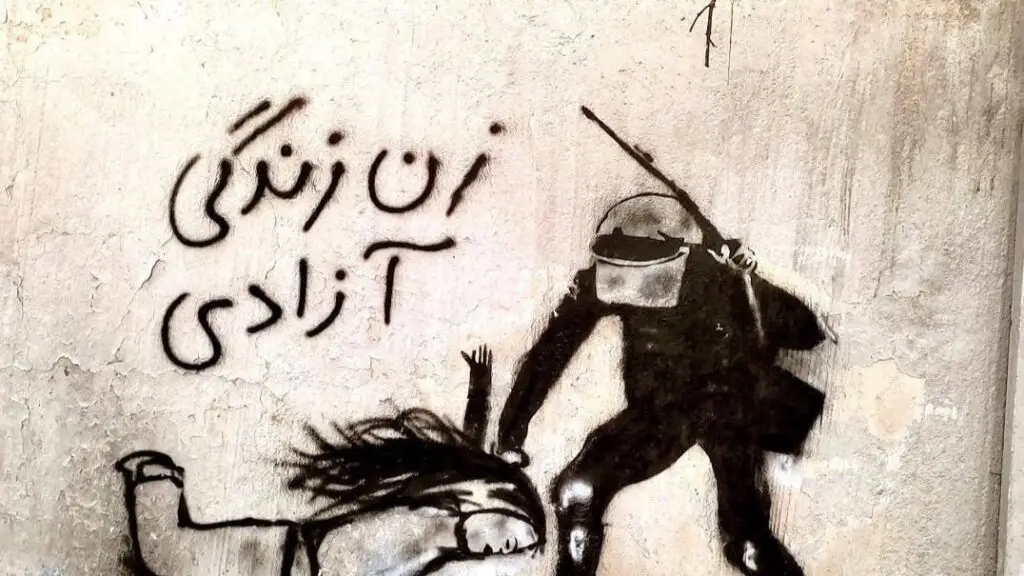
Self-Amputation as Liberation
Something broke in Iran after 2009 — not in the corridors of power, where repression merely recalibrated, but in the interior of a society that had maintained a fragile compact with the state. The Green Movement did not fail because it was crushed. It failed because the crushing proved, beyond evasion, that the Islamic Republic […]
Civilisation and Its Arsonists
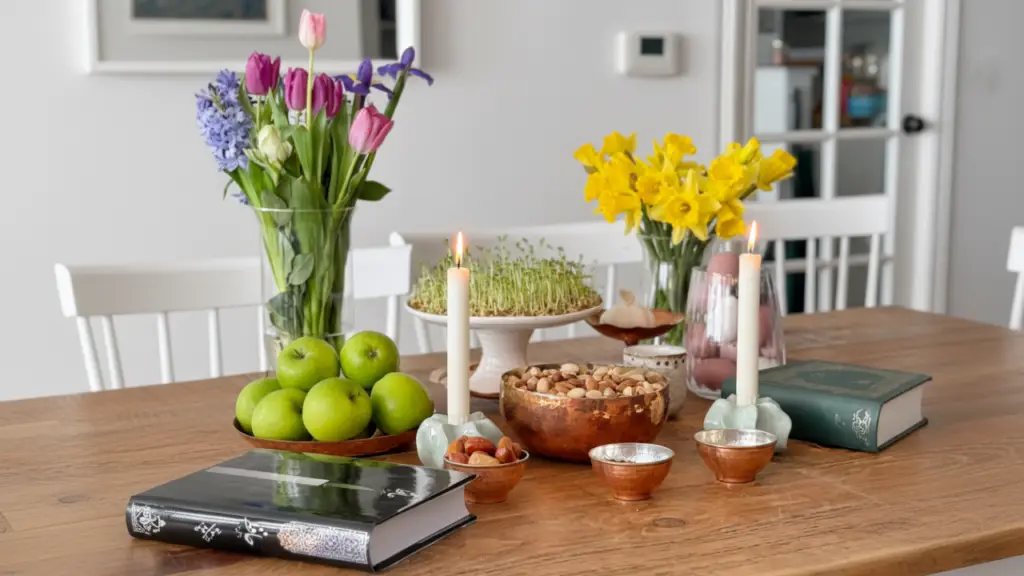
A Nawruz Reflection on War, Hypocrisy, and the Promise of Renewal Before I begin, allow me to share a simple thought—one expressed beautifully by the poet Pablo Neruda: you may cut all the flowers, but you cannot stop the spring from coming (“Podrán cortar todas las flores, pero no podrán detener la primavera”). In the […]
The Iran We Still Refuse to See: A Response to The Economist
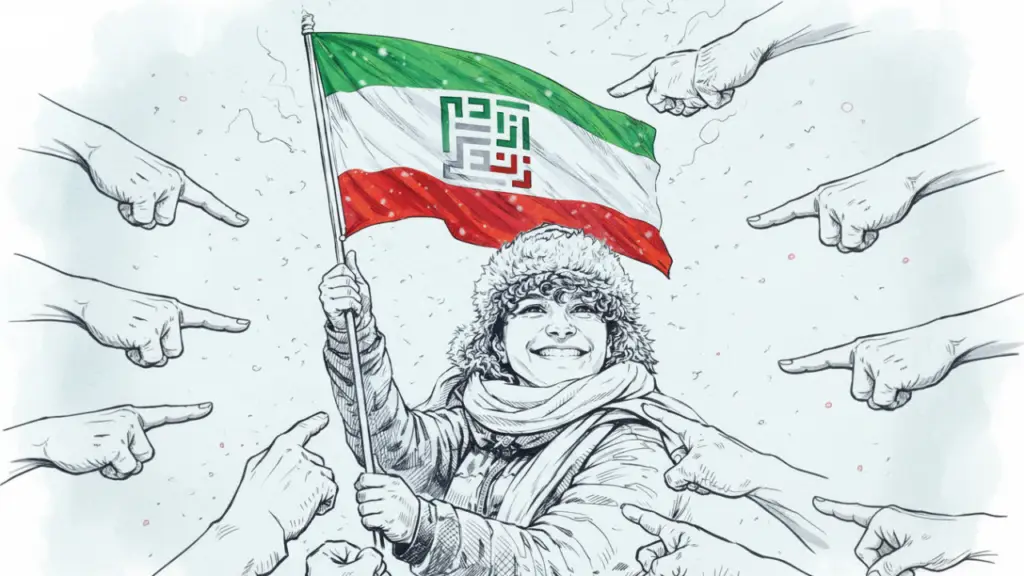
This essay is a response to The Economist article, “Why Ali Khamenei May Have Welcomed the Nature of His Death,” published on 3 March 2026. This analysis of Khamenei’s death as a masterwork of martyrdom theatre is seductive in its neatness, but it is precisely this neatness that should give us pause. The article constructs […]
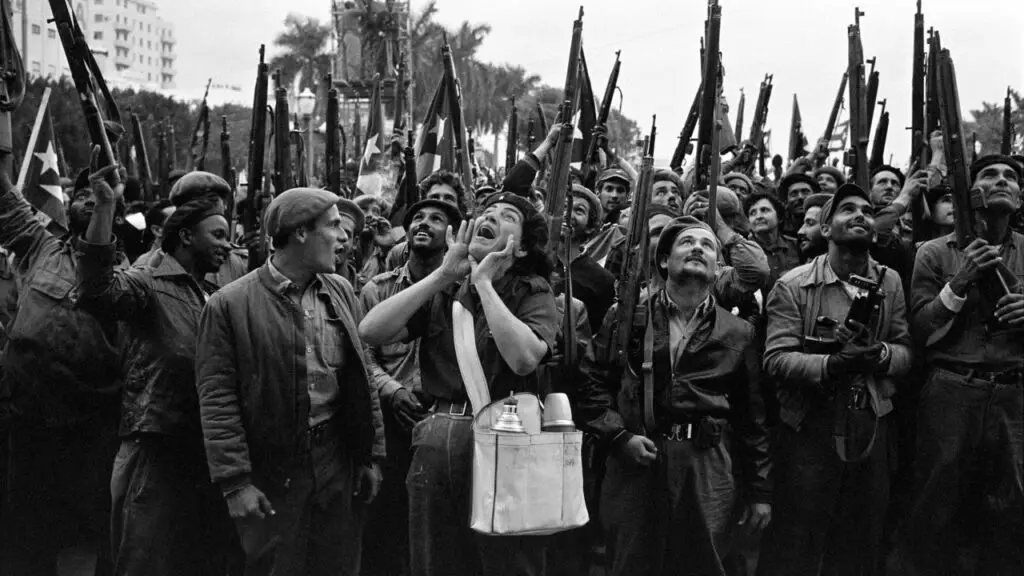
Homo Exsul Furens
The Raging Exile: On the Behavioural Pathology of Victim-Perpetrators A necessary preface. This essay targets no race, no ethnicity, no nation, no faith. It identifies a behavioural pattern — observable, documentable, recurring — displayed by a specific segment of political actors in their language, conduct, and digital presence. What follows is a taxonomy of behaviour, […]
The Pathology of Political Metaphor
On the Cancer of Calling Others Cancer A certain rot has taken hold of political discourse—one that begins the moment we cease to see our adversaries as human beings and begin to see them as diseases. The metaphor of cancer, that most dreaded of diagnoses, has become a favoured instrument in the rhetorical arsenal of […]
The Skewed Lens of “The Right Side of History”
On the Weaponisation of Historical Morality and the Erasure of Conscience There is a phrase that circulates through political rhetoric with the confidence of an axiom and the substance of a mirage: stand on the right side of history. It is uttered with the gravity of moral certainty — by presidents and pundits, by those […]
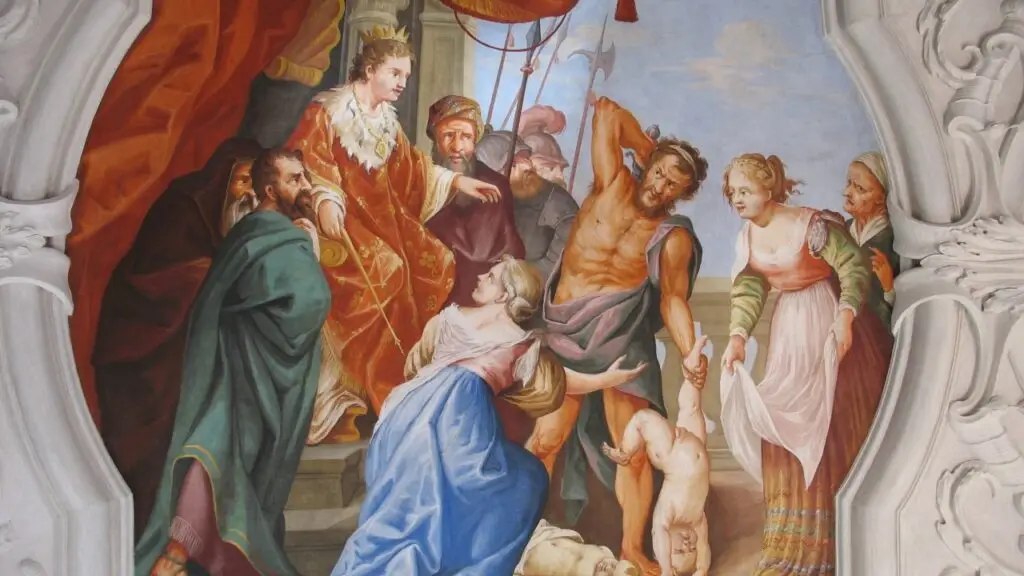
The Paradox of Expectations
A Regime That Does Not Cooperate With Its Own DownfallAn Israeli journalist recently made ironic commentary on President Trump’s war strategy, capturing in a single tweet what might be called the most revealing paradox of our time. But this is not merely about Donald Trump. This is about a cognitive dissonance that has come to […]
When the Dead Are Counted Twice: Inflated Atrocities and the Manufacture of Indifference
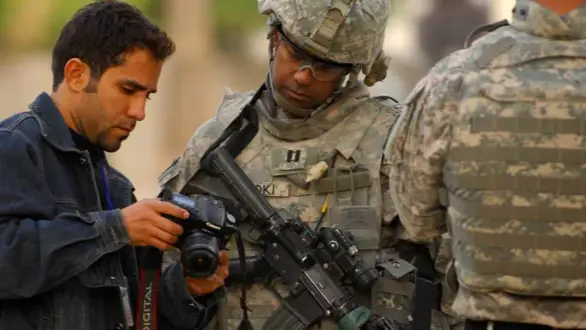
There is a particular cruelty in inflating the number of the dead. It does not honour the victims — it instrumentalises them. And when the inflation is eventually corrected, it does not restore credibility — it destroys it, along with every legitimate grievance buried beneath the exaggeration. This is not a hypothetical. It is a […]
When Silence Cannot Be Mistaken for Consent: A Defense of Diaspora Voice
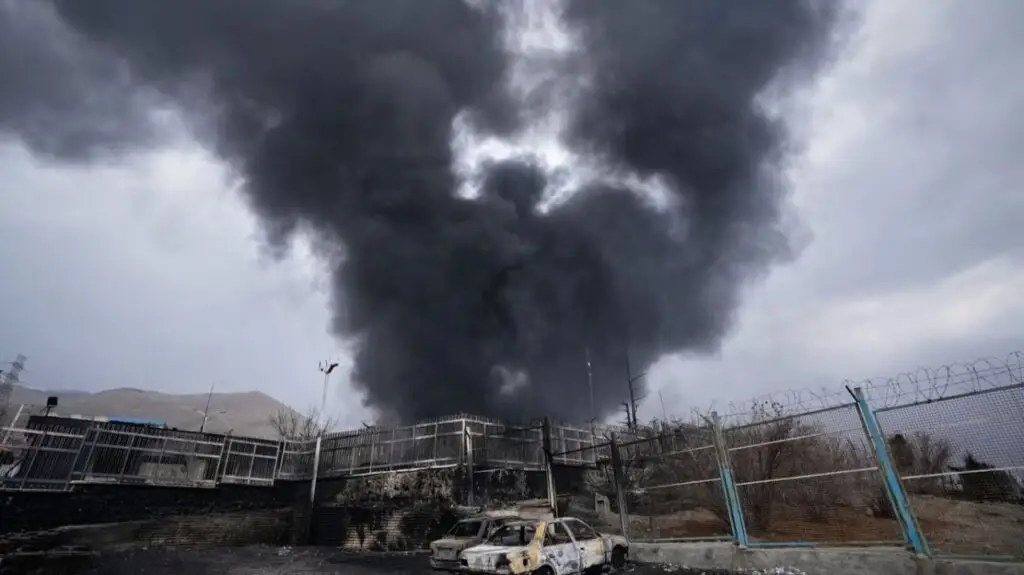
A thoughtful critic argues that my essay commits a fundamental inversion by shifting moral scrutiny away from the conditions producing violence in Iran and toward diaspora Iranians who speak about that violence. The critique contends that diaspora members are not detached spectators but rather members of the same society with families and personal histories inside […]
The Burning Building and the Monitoring Room: Iran, Diaspora, and the Moral Architecture of War
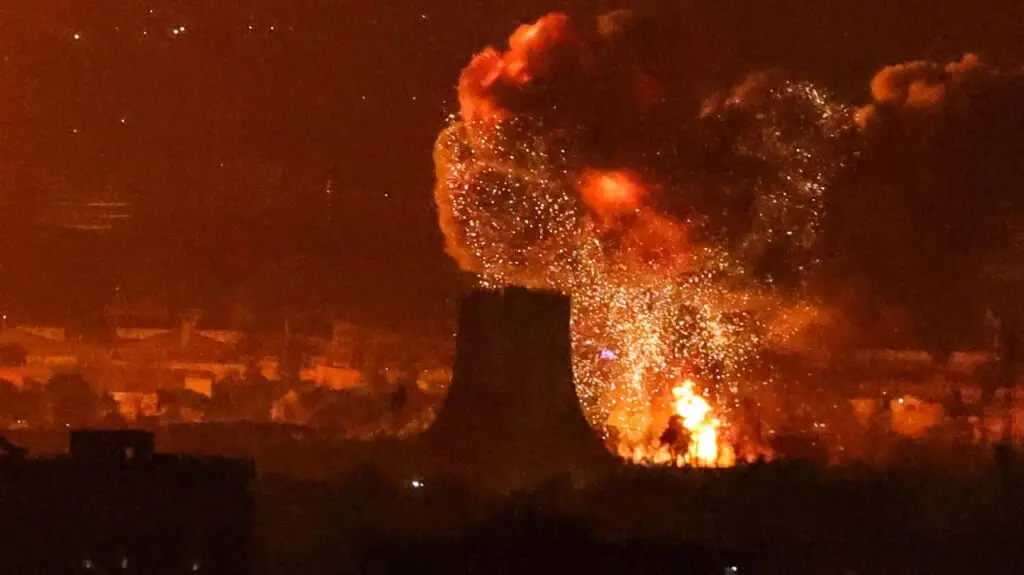
The fracture at the heart of the Iranian crisis is not, at its deepest level, a disagreement about strategy, ideology, or even the legitimacy of the Islamic Republic. It is something far more elemental and far more difficult to resolve: a collision between two entirely different lived realities that have, over decades of displacement and […]
Speculators in Suffering: The Moral Bankruptcy of Diaspora War Advocacy
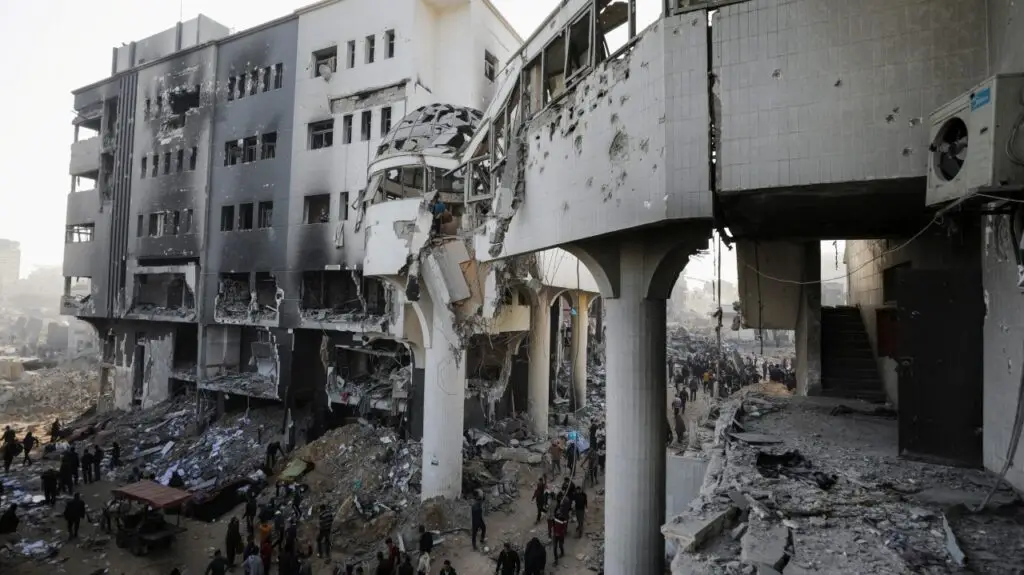
There is a peculiar species of political actor that emerges from every fractured nation—those who, having escaped the inferno, appoint themselves firefighters from across the ocean and prescribe gasoline as the cure. They populate the comment sections, the conference panels, the corridors of foreign capitals, advocating with remarkable enthusiasm for missiles to rain down on […]
While You Celebrate
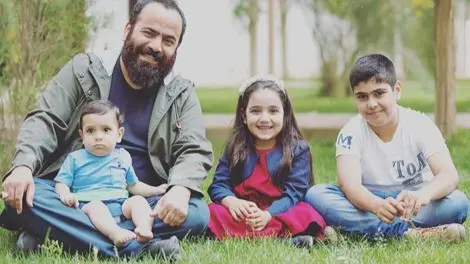
A VOICE FROM THE FIRE: What the Diaspora Doesn’t Want to Hear “They killed 168 children in a school. They hit the school twice. TWICE.” These aren’t statistics from a news ticker. These are the words of a man whose voice cracks between fury and grief, who paid seven million tomans—money he doesn’t have—for a […]
The Sanctuary of My Conscience
I write this in English because the collapse of our shared morality is not a local tragedy; it is a human one. I am calling for a spotlight, not merely on the hypocrisy that surrounds me, but on something far more frgile: the survival of our humanity in an age of organized hate. For three […]
You Don’t Want Our Freedom—You Want Our Destruction
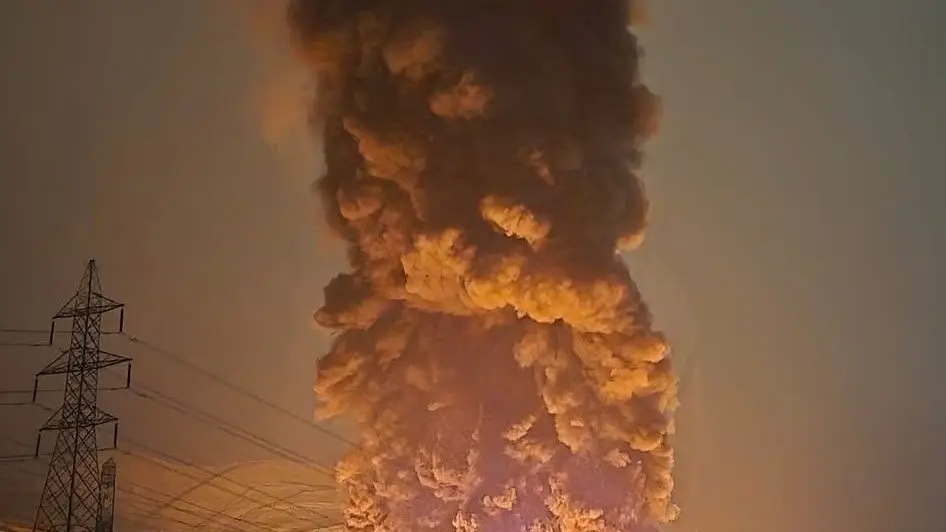
Iran has infrastructure. Iran’s infrastructure is not the Islamic Republic’s infrastructure. It’s that simple. Even if the IRGC uses the bridges, hospitals, schools, and internet, this infrastructure still belongs to Iran. Even if we call the IRGC “occupiers” (strange, isn’t it? A label Israel has worn proudly for decades now gets slapped on the IRGC […]
Bread, Lead, and the Logic of Revenge
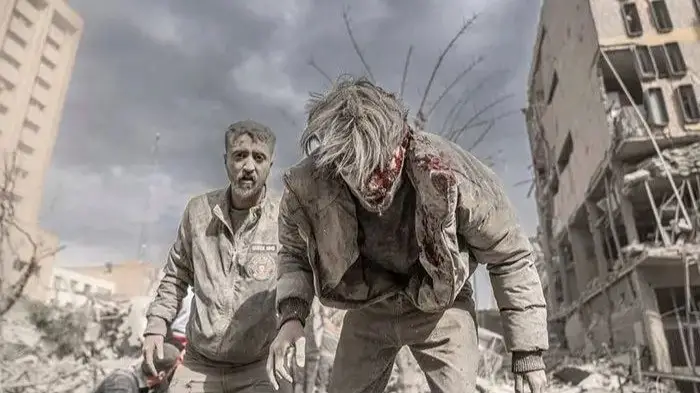
Think about this situation carefully—don’t run away. Be honest with yourself and with your conscience. This is not an easy test. It is not meant to be. The measure is simple and merciless: beyond our political divisions—whatever they may be—can we refuse to forget that we are human? Here is the test. Imagine you are […]
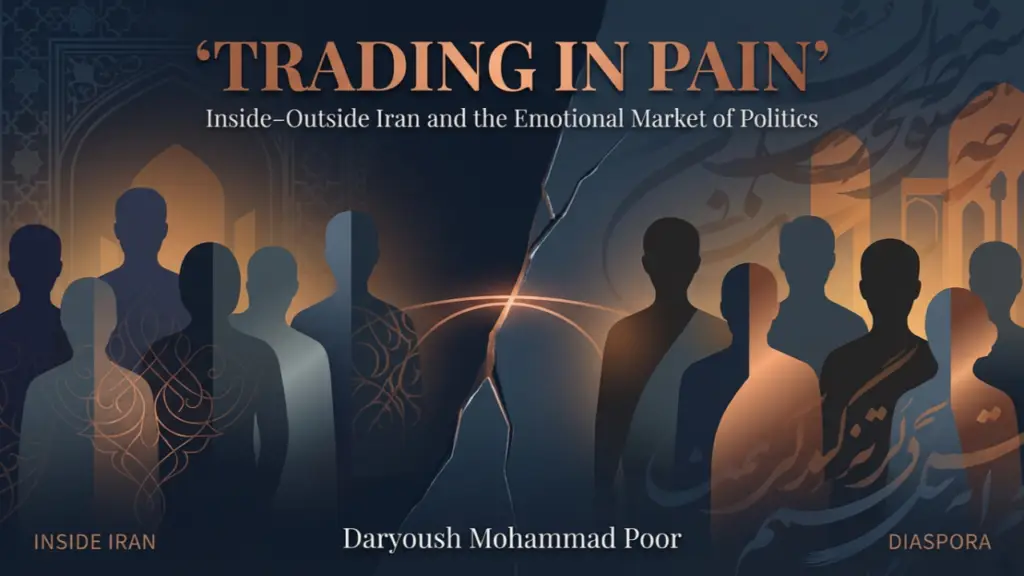
Trading in Pain: Inside–Outside Iran and the Emotional Market of Politics
The fracture between Iranians living under the Islamic Republic and those in the diaspora is not, at its core, a political disagreement. It is something much older, cruder, and far more difficult to resolve: a collision between two entirely different lived realities that have, over decades, produced two incompatible languages, two irreconcilable hierarchies of suffering, […]