Neither Rogue Nor Obedient
Podcast Two positions on artificial intelligence, and the question both leave standing In Brief The alarm has hold of something the reassurance waves away. Artificial intelligence is an invention rather than a discovery, and the opacity is real. That is a reason to bind the makers, and it is no evidence that nobody is in… — read more
The Middle Nobody Counts
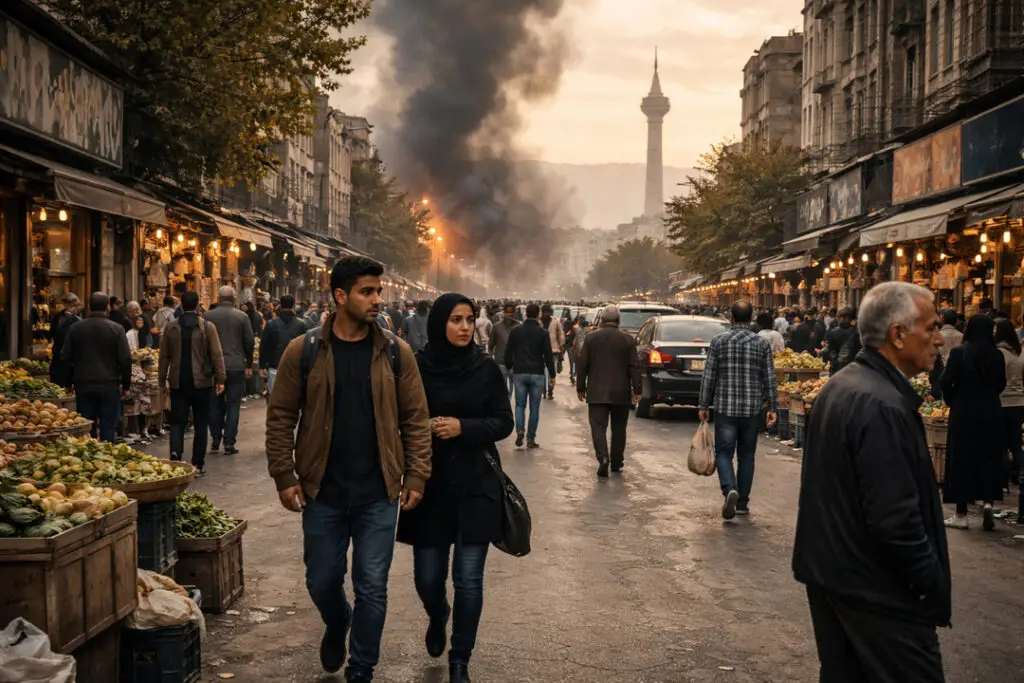
Podcast On Radio Farda’s Pārāgrāf-i Avval, the Madani–Bayat correspondence, and the part of Iran that no one has counted Radio Farda’s programme Pārāgrāf-i Avval, presented by Muhammad Zarghami, put the correspondence between Saeed Madani and Asef Bayat to Jalal Idjadi and to me. The exchange has run in Naqd-i Iqtiṣād-i Siyāsī since Urdībihisht 1403, begun… — read more
Islam or Muslims?
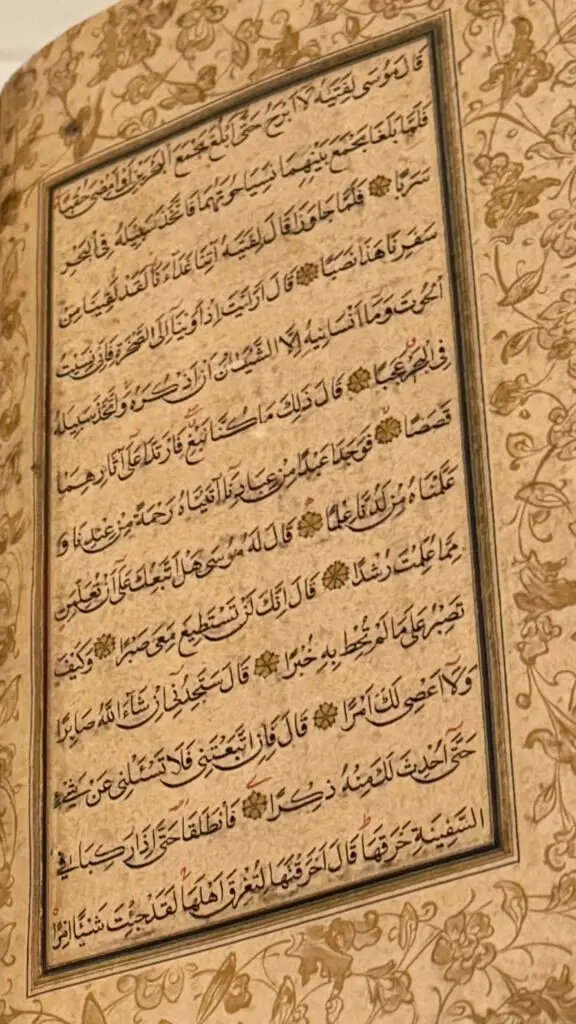
Podcast Image: folio from a manuscript of the Quran, Aga Khan Museum, Toronto An argument is circulating, and it deserves a straight answer. It runs like this. A Muslim intellectual, pressed about the crimes of the Islamic Republic, replies that there is no such thing as Islam, only Muslims. His interlocutor finds the reply evasive… — read more
Who Holds the Rope
Podcast On capital punishment in Iran, the argument the opposition will not make, and the one the Muslim tradition already supplies An iron scaffold went up in Alikhani Square in Isfahan on Monday night. People gathered. There were scuffles with the guards. In the early hours of Tuesday, Amirhossein Safari and Abolfazl Sepahi were hanged… — read more
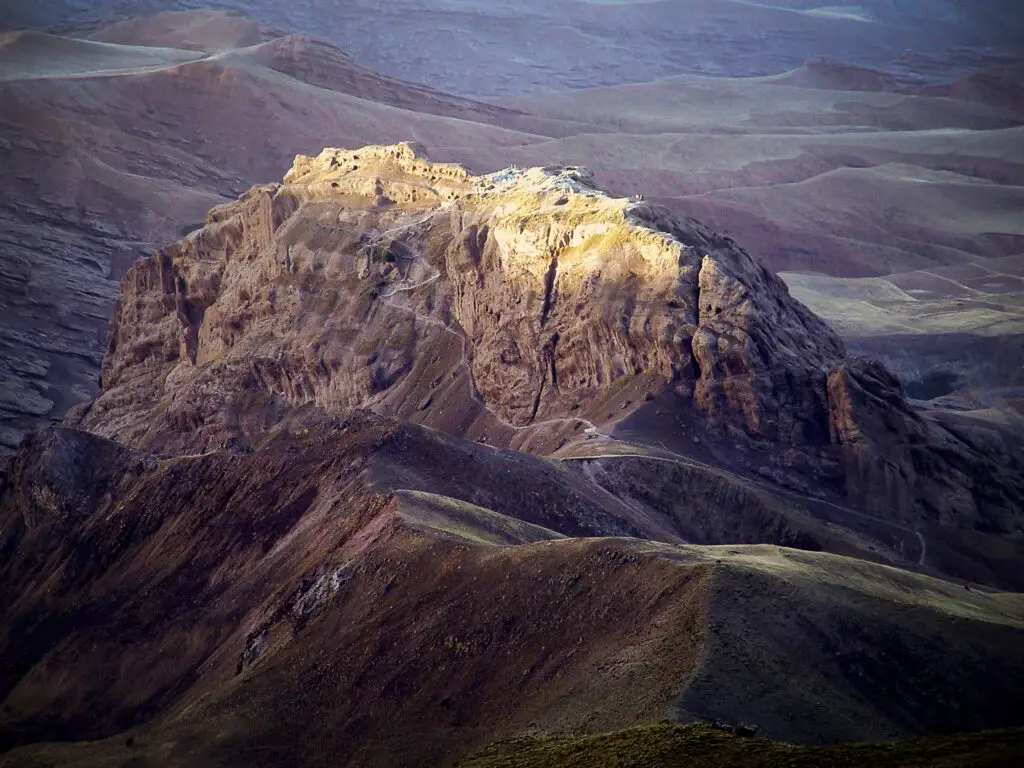
The Rock and the Library
Podcast Date: 13/09/2003 | Photo: Mohammad Mahmoudi |Copyright: © ACHB On the inscription of Alamut, and the inheritance the citation does and does not name The item took a few minutes. On Sunday, in Busan, the World Heritage Committee inscribed Alamut Castle and six associated fortifications – Lambesar, Navizaršāh, Šams Kelāyeh, Qosṭinlār, Širkūh and… — read more
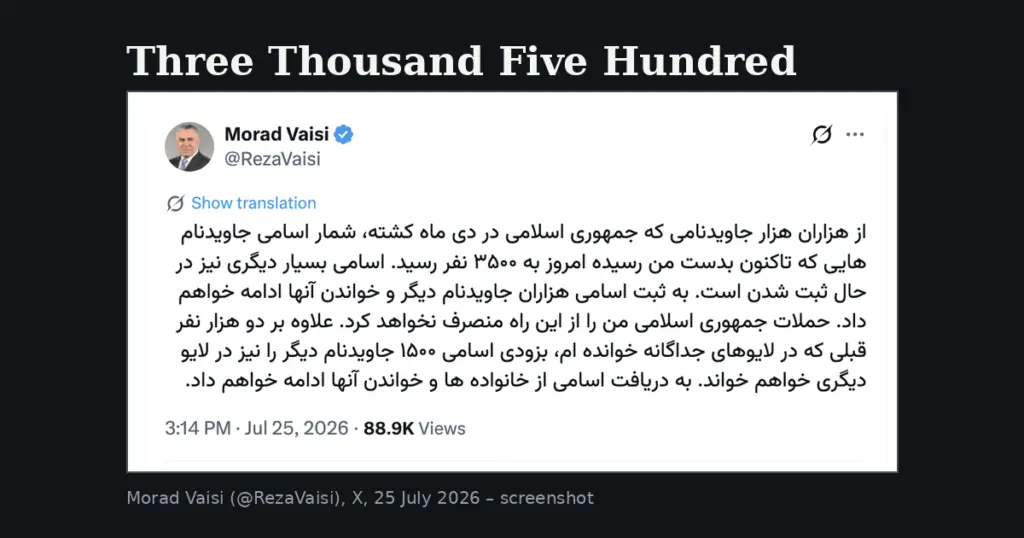
Three Thousand Five Hundred
Podcast On 25 July 2026, Morad Vaisi published a number. Vaisi is senior Iran analyst at Iran International and host of its flagship politics programme. Since January he has been collecting the names of the dead and reading them aloud, live, hour after hour. It is honourable work. He has done it under pressure, and… — read more

The Love of the Microphone
PodcastOn Masih Alinejad’s theatre of grief, the platforms that reward it, and the war she now says she never wanted. Alberto Núñez Feijóo, leader of the Partido Popular, greets Masih Alinejad before the ‘Mujeres libres’ session at the Congreso de los Diputados, Madrid, 5 March 2026. Credit: EFE / Borja Sánchez-Trillo, via Infobae. On 21… — read more
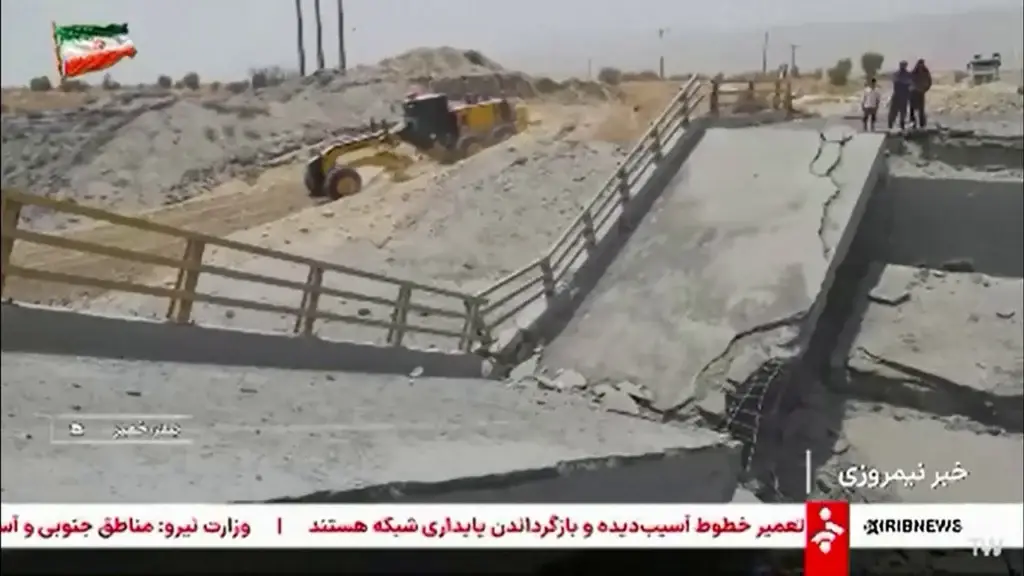
Somebody Else’s 1945
PodcastOn the Nazi analogy, the Iranians who reach for it from abroad, and the state that made it plausible Aftermath of overnight US strikes on a bridge in Bandar Khamir county, near the Strait of Hormuz, 17 July 2026. Screengrab from footage broadcast by Iran’s IRINN state television, made available via AFPTV. Credit: AFP /… — read more

Nobody Wants to Go to War
Podcast On a corridor interview of 21 July 2026, and the verb that carries a war A journalist puts one question to three United States senators: the President has formally told Congress that the war with Iran has resumed. What do you make of it? The exchange, filmed by Marzia Hussaini and posted to X… — read more
The Table and the Ledger
Podcast On Sada Cumber’s ‘Iran at the Crossroads’ (National Security Institute), and what would tell us the turn is real A crossroads implies a traveller. Somebody walked to get there, at a price, and somebody now has to choose a road. Sada Cumber has the right image for this moment, and I want to take… — read more
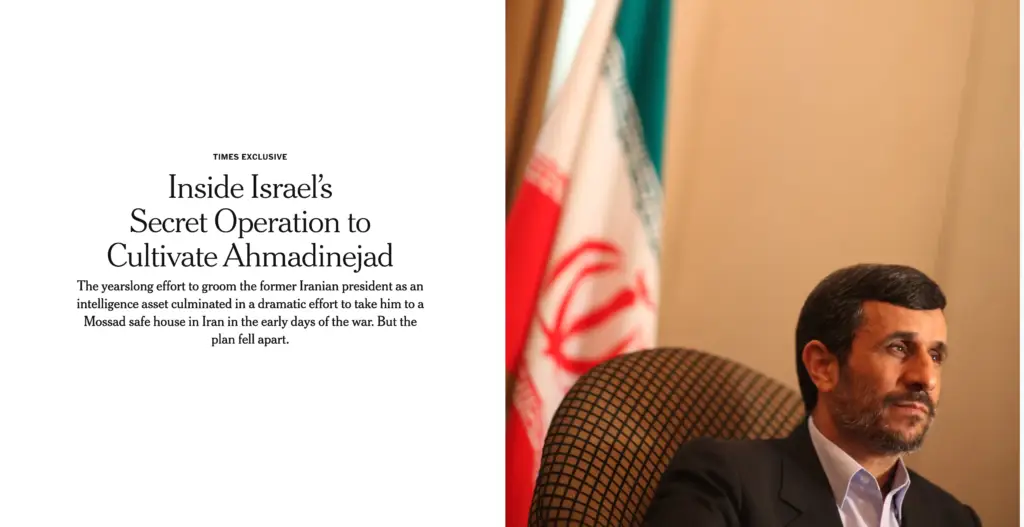
The Ledger of Ali Khamenei
Podcast Ali Khamenei held the office of Supreme Leader for thirty-six years. He inherited a republic that was bruised, broke, and at war, and he left behind a state whose legitimacy had been hollowed from within – by his own hand, and often against his own stated interests. The record is long enough to sort.… — read more
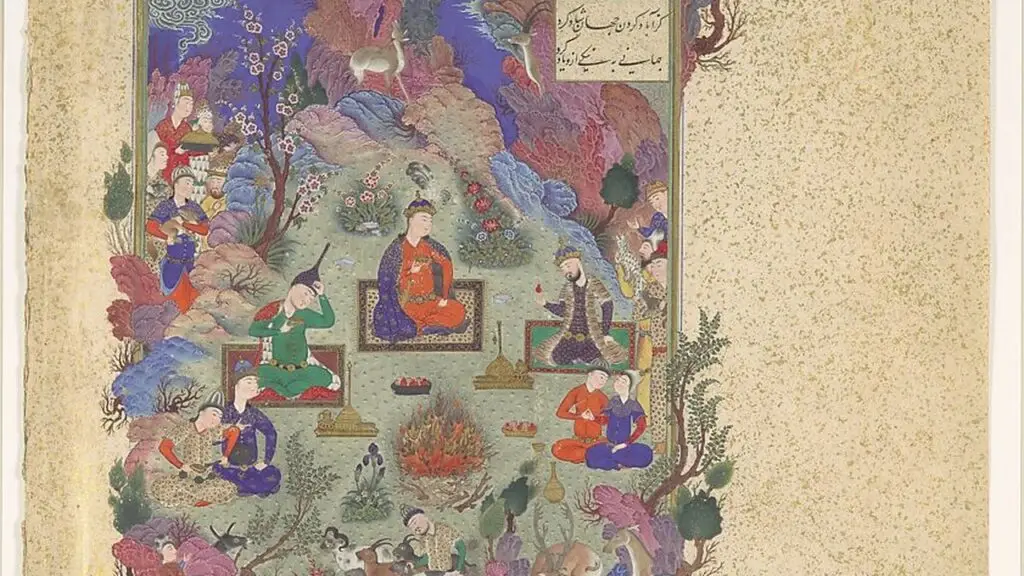
Nobody Is Free to Stay
Podcast The programme opens in Istanbul, at a reading of the Shahnameh. Fifty thousand couplets, a thousand years old, recited aloud by Iranians far from home. Within two minutes the frame is set: this, we are told, is where Iranians go now, as disillusionment with Islam takes hold. ‘War, God and the Islamic Republic’, an… — read more
