
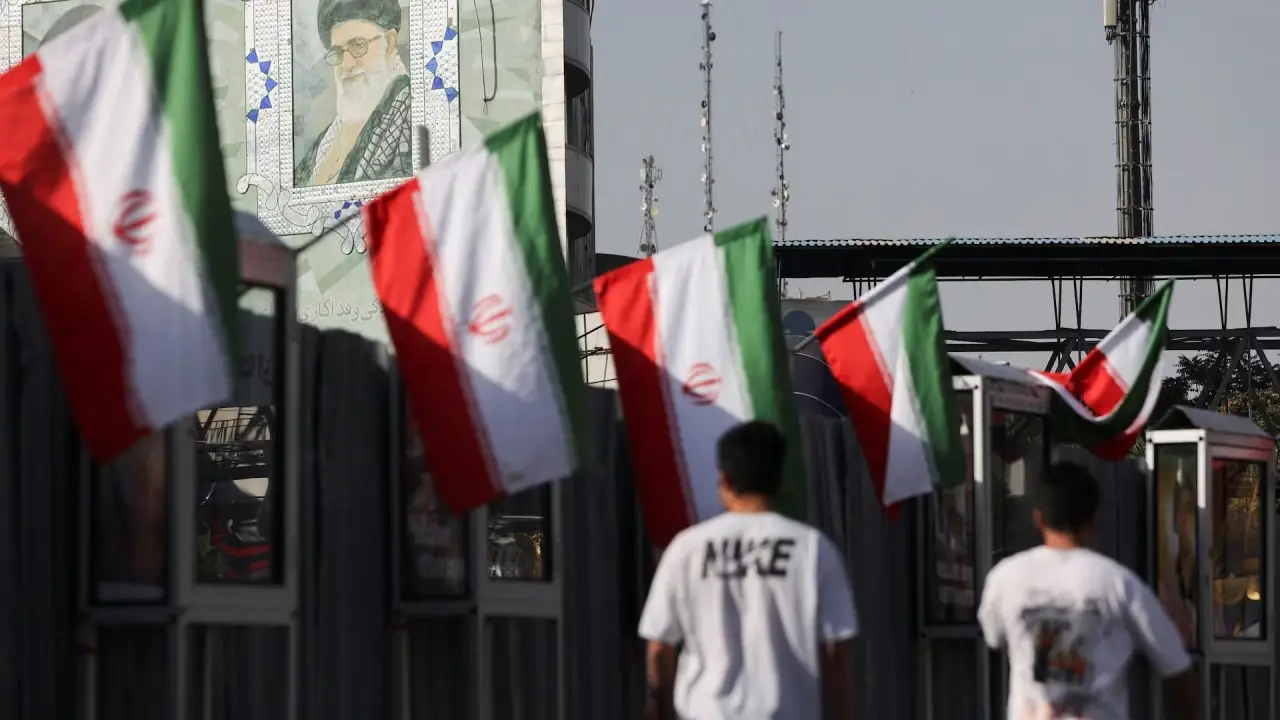
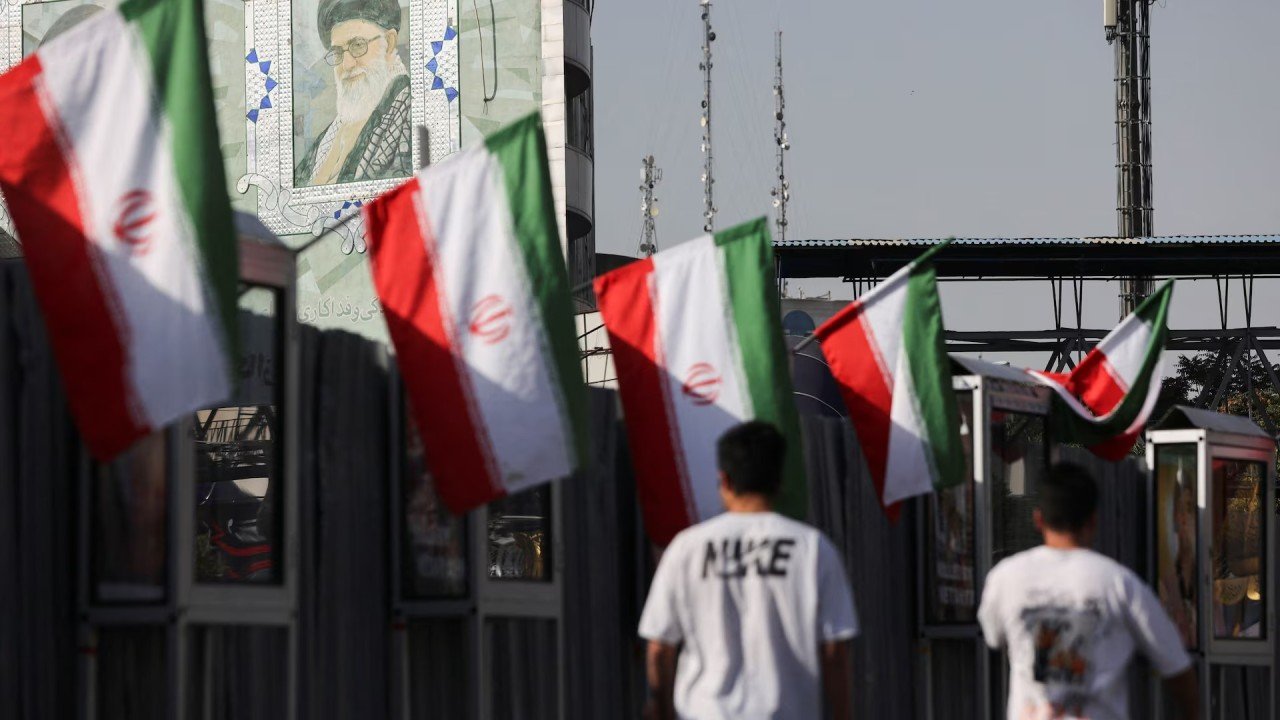
Image credit: Majid Asgaripour / WANA (West Asia News Agency) via REUTERS
Why an Immediate Ceasefire Is the Only Viable Option
The most plausible trajectory of the US-Israel war with Iran is not rapid victory but a grinding stalemate with growing escalation risks. Early expectations in Washington assumed that superior air power, intelligence coordination, and technological dominance would quickly break Iranian resistance. Instead, the conflict is moving in the opposite direction: costs are rising, objectives are blurring, and neither Washington nor Jerusalem can point to clear progress. The war is entering the classic danger zone where military superiority fails to translate into political success. It is precisely this widening gap between force and outcome that makes an immediate ceasefire not merely desirable but strategically imperative.
A central question is whether Russia and China have begun providing Iran with tactical, technical, or intelligence assistance short of direct military entry. There is no definitive public proof, but wars of this kind rarely remain confined to the visible battlefield. If Iranian forces are displaying greater resilience after three weeks—absorbing strikes more effectively, improving targeting, sustaining better survivability—it is reasonable to ask whether outside support is helping Tehran adapt in real time. Such assistance need not involve troops. Satellite intelligence, cyber support, electronic warfare expertise, missile guidance improvements, and drone technology transfers could all enhance Iran’s staying power. Every day without a ceasefire is a day in which this adaptive capacity compounds.
This possibility reshapes the logic of the war. If Iran is no longer fighting in isolation, US and Israeli planners confront not merely a regional adversary but an indirectly networked one. Time allows learning, adaptation, and external assistance to accumulate. What began as a campaign to restore deterrence risks becoming an attritional contest that undermines deterrence instead. A ceasefire now would freeze the conflict before this dynamic becomes irreversible; continued escalation only deepens the trap.
The domestic political implications reinforce the urgency. At last week’s Conservative Political Action Conference in Texas, fractures within the president’s own coalition were laid bare. Trump himself was absent—reportedly consumed by the war—and the vacuum produced a revealing split. Erik Prince warned that a ground incursion could produce “imagery of burning American warships” within weeks. Matt Gaetz cautioned it “will make our country poorer and less safe.” Younger attendees voiced fears of a draft, rising prices, and another forever war—precisely the quagmire Trump had campaigned against. That an eighteen-year-old Republican voter at CPAC can articulate the strategic dead end more clearly than most administration officials underscores how thin the domestic mandate for escalation truly is. A ceasefire would not only halt the military bleeding; it would arrest a political crisis threatening to fracture the governing coalition before the midterms.
Perhaps the most revealing spectacle at CPAC was the heavy presence of supporters of Reza Pahlavi, Iran’s former crown prince, who addressed the convention to rapturous applause. Pahlavi’s fantasy of restoration—a monarchist exile cheered by septuagenarian nostalgists waving pre-revolutionary flags—is detached from realities inside Iran today. He commands no meaningful constituency within the country, and his appearance at an American partisan rally only reinforces his irrelevance to any serious diplomatic process. The path to de-escalation runs through negotiation with the actors who hold power, not through applause lines at a convention center in Grapevine, Texas.
For Russia and China, indirect support to Iran represents a low-cost strategy to tie down American power and encourage a more multipolar regional order without triggering great-power confrontation. For the United States, a deteriorating war risks weakening public support, driving up energy prices, and exposing the gap between military action and a coherent end-state. For Israel, continued exchanges without decisive results deepen the very insecurity the campaign was meant to resolve. The costs of continuation now exceed any plausible gains from persisting.
So let the argument be stated plainly. This war has no achievable end-state that justifies its mounting costs—in lives, in treasure, in strategic credibility, in the fraying of a domestic coalition that was already brittle. Every week without a ceasefire is a week gifted to Tehran’s strategy of attrition and a week subtracted from Washington’s diminishing leverage. The time to stop is not after the next strike, not after the next escalation, not after one more attempt to restore a deterrence that is already crumbling. The time to stop is now.