
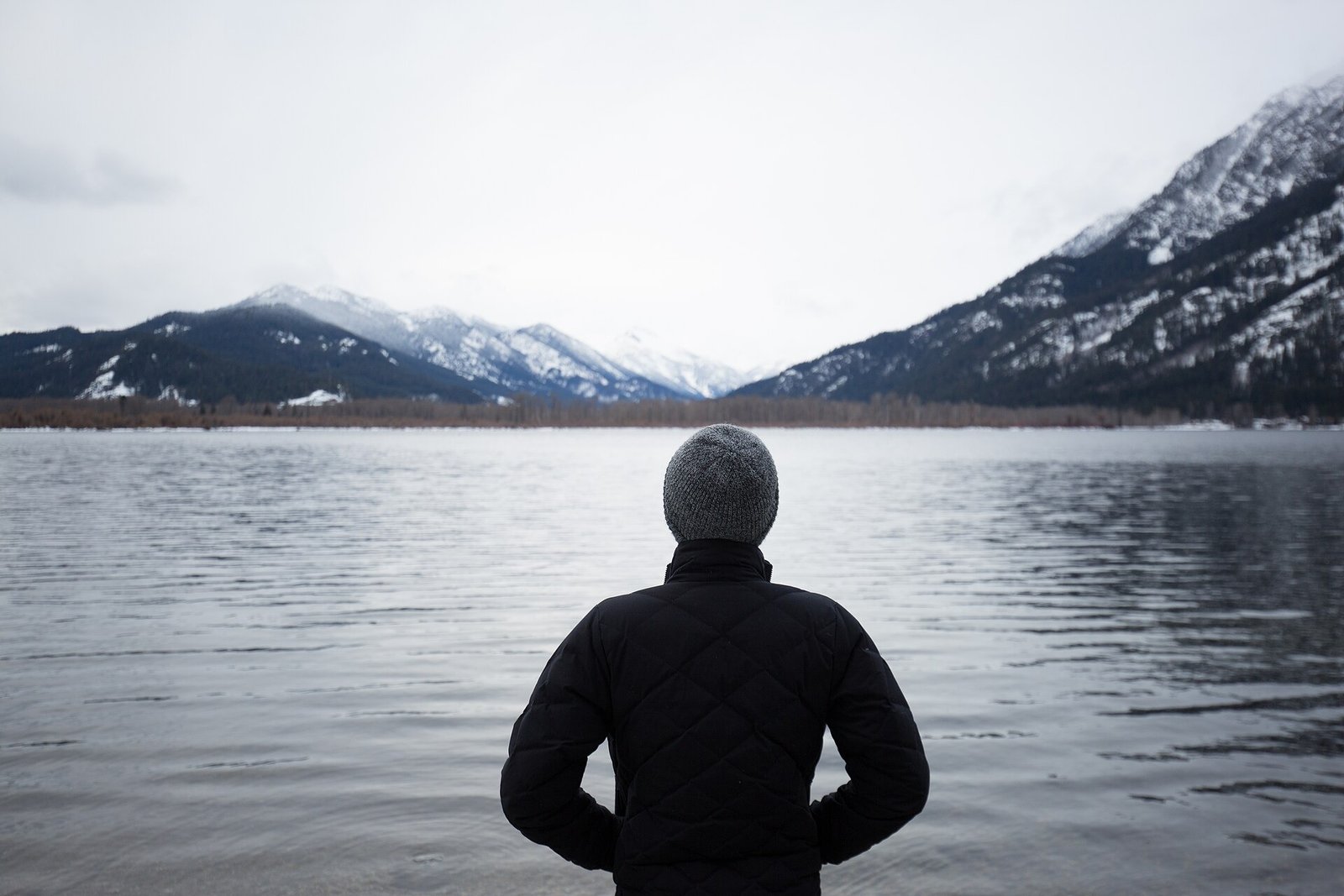
What we do when a hard question is put to us, and why the gaze has to turn inward first.
I have come across this situation on various occasions: in the course of my academic work, when I do research, when I put a theory to test, when I teach. I meet it most acutely when someone puts a hard question to me. How do you deal with an uncomfortable question? Do you dodge it? Do you avoid it?
The façade of authority
I can very well understand ‘sensitivities’, and there are sometimes compelling reasons for avoiding a direct answer. These cases, which I believe are and must remain very limited, must not intimidate us into intellectual retreat. Worse than that, they must not become a licence for intellectual cowardice. It often happens that we human beings hide our insecurities and weaknesses behind the façade of authority, behind bureaucracy, behind institutions and even behind ‘the people’ – a term used extensively, and in equal measure, by autocrats and democrats alike in political settings.
Truth as the point of departure
I am fully and acutely aware of the epistemological difficulty of ‘truth’, with the entire array of historical and contemporary debates in methodology and philosophy that stand behind it. For this reason I take truth as my point of departure. Truth is the regulating factor: the thing we aim at even when we miss it. Here we have a serious dilemma, because each one of us knows, deep down, whether we have a commitment to truth or not.
We do not have to start by throwing lexical definitions or sceptical projections at one another, such as ‘what do you mean by “truth”?’. I do not treat these questions lightly. More often than not, however, and with all due respect to those who ask them in good faith, I find them a shortcut for evading the question we fear deep down: are we secure and comfortable enough to face the truth, whether we like it or not? That is not an easy question to answer, since it asks us to look at ourselves before we look at anyone else. In our social, political and cultural settings we tend to justify what we do, and one can hardly find a human being who would be comfortable with suspending the things they treat as ‘the truth, the whole truth and nothing but the truth’.
In the line of fire
Are we really prepared to put ourselves in the line of fire, when it comes to challenging our own ideas and putting them to test? This is a deep-seated human condition: we immunise whatever we hold dear, most often because of our insecurities, and it seldom shows any intellectual or moral humility. I have tried to hold myself to this. In Thirty Days I set the monarchist camp a test I could lose, and said in advance what losing would look like. In A Name to Work With I let my own names stay open to revision. This essay asks the harder thing, which is whether any of us can bear the question when it is put to us.
I am well versed in making distinctions between the subjective and the objective, between the metaphysical and the scientific, between the abstract and the concrete. And I do know that when we speak of truth, an array of terms such as fact and reality enter the debate almost immediately, and these blur the fundamental question of our human fallibility, about which I have written extensively, even though fallibility is the one thing every party to the debate ought to concede first.
Two kinds of voice
I believe there are two types of people who are vocal and assertive in how they respond to tough questions. The first is the intellectually confident person who can at the same time remain humble and open to changing their position when presented with a compelling case. The other is the intellectually arrogant and dogmatic orator, who fails to recognise the other or at least to listen to dissent. Both are vocal and assertive, and both can be confident, so the difference lies neither in the volume nor in the confidence. It lies in whether the person can hear dissent and, when the case against a position held yesterday is compelling, revise it today. The first can say, in a sentence, what would change their mind. The second cannot, and has not tried. Which of the two am I, when the question is put to me? That is the question I would rather not answer too quickly.
We have a lot of work to do with ourselves. Do we often turn the gaze on our own selves?
Leave a Reply